
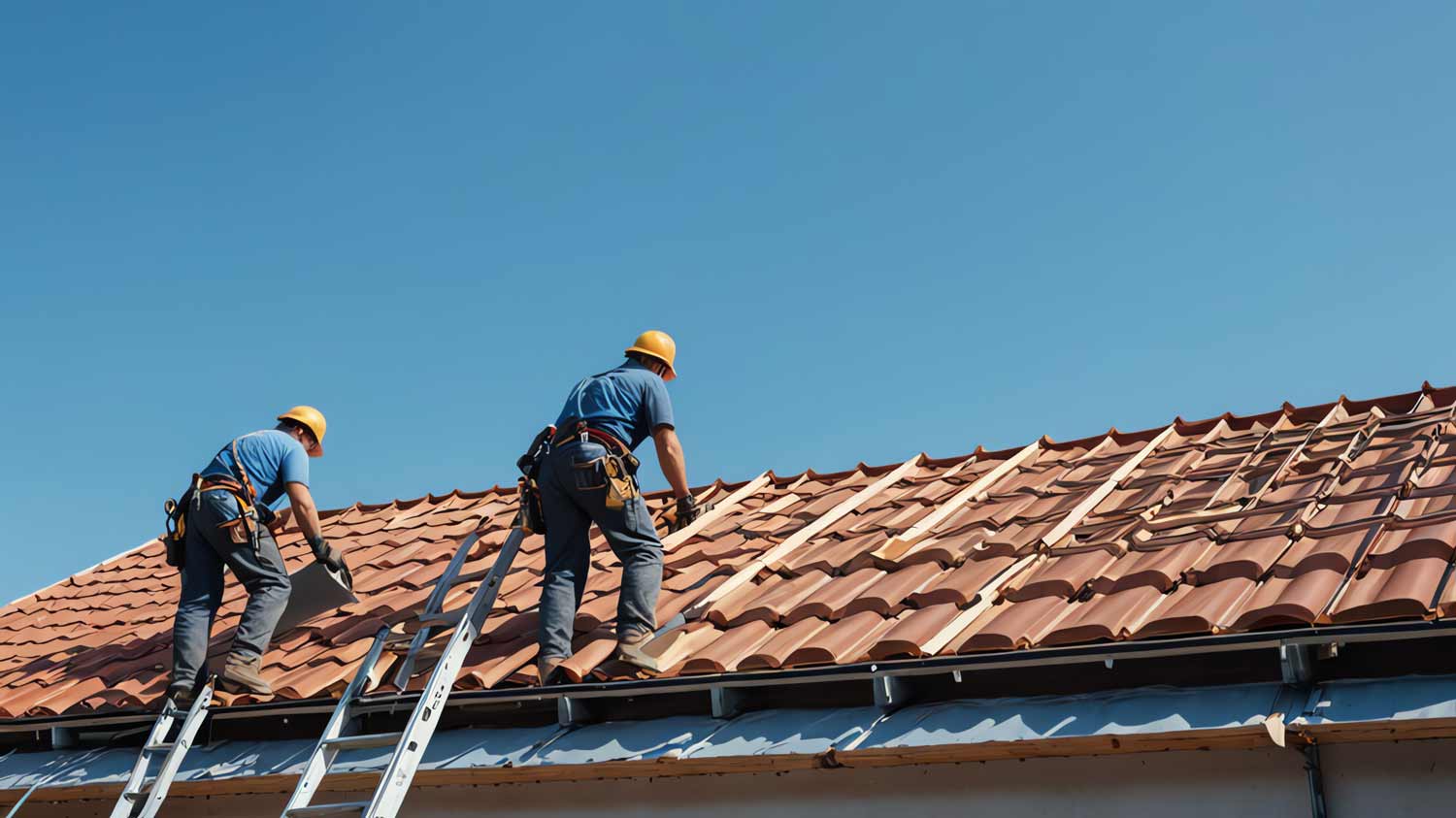
Your roof protects everything beneath it—your family, your possessions, your financial investment. Yet the roofing industry harbours more scammers and rogue traders than perhaps any other trade in the UK. Recent data reveals that roofers have become the least trusted trade, with homeowners losing an estimated £1.4 billion annually to roofing scams.
This comprehensive guide arms you with the knowledge to understand different roofing types, spot genuine problems versus fabricated emergencies, recognise storm damage scams, and hire legitimate roofers who’ll protect your home rather than exploit your vulnerability.
Understanding UK Roofing Types: What You Actually Have and What You Might Need
Before you can assess whether a roofer’s claims are legitimate, you need to understand what type of roof you have and what work different roof types require.
Slate Roofing: The Premium Traditional Option
Slate roofs represent the pinnacle of UK roofing tradition, particularly Welsh slate which can last over 100 years when properly maintained.
Types of slate available:
Welsh slate (£160-£210 per sqm): The gold standard. Distinctive blue-grey colour, exceptional durability, superior water resistance. Quarrying restrictions make this the most expensive option, but it’s an investment that outlasts several generations.
Spanish slate (£95-£125 per sqm): A cost-effective alternative using imported materials. Available in black or grey, with respectable 75+ year lifespans. Quality varies significantly between suppliers—this is where dodgy roofers cut corners.
Canadian slate (£130-£180 per sqm): High-quality option with purple-toned colouring. Lifespan around 75 years. Often specified for conservation areas as an alternative to Welsh slate.
Brazilian slate (£100-£140 per sqm): Emerging option with good damage resistance and longevity, though less established in the UK market.
Composite/synthetic slate (under £1.50 per tile): Made from recycled rubber and plastic, these mimic slate’s appearance at a fraction of the cost. Manufacturers guarantee 30 years, though they may last 60+. Excellent for budget-conscious projects but lack the prestige and longevity of natural slate.
When slate is appropriate:
- Period properties requiring authentic appearance
- Conservation areas with planning restrictions
- Long-term investment priority (upfront cost offset by longevity)
- Steep-pitched traditional roof structures
- Properties where aesthetic quality matters
Warning signs of slate scams:
- Roofers insisting you need complete slate replacement when only repairs are needed
- Claims that “all your slate has deteriorated” without showing you specific evidence
- Pressure to switch to cheap imported slate “to save money” when quality slate was specified
- Mixing slate types or grades (creating uneven appearance and performance)
Tile Roofing: Concrete and Clay Options
Tile roofs dominate UK housing, offering good durability at moderate cost.
Concrete tiles (£27-£241 per sqm, typically £97-£275 installed):
- Lifespan: 25-40 years
- Wide range of profiles and colours
- Cost-effective and readily available
- Heavier than some alternatives (requires proper structural support)
- Can be prone to moss growth in damp conditions
Clay tiles (£40+ per sqm materials, £55 total installed):
- Lifespan: 40-60 years
- Natural, traditional appearance
- Better colour retention than concrete
- More expensive but longer-lasting
- Popular for Mediterranean or cottage aesthetics
When tile roofing makes sense:
- Most standard UK residential properties
- Moderate budget with good longevity expectations
- Replacing like-for-like on existing tile roofs
- Areas without conservation restrictions
Common tile roofing scams:
- Claiming your entire roof needs replacing when only ridge tiles need re-pointing (£250-£750 job versus £7,000+ full replacement)
- “Discovering” structural problems once they’ve removed tiles (creating leverage for price increases)
- Using incorrect tile fixings or inadequate underlayment to cut costs
- Installing tiles without proper ventilation (creates future condensation problems)
Flat Roofing: Modern Materials for Low-Pitch Structures
Flat roofs cover extensions, garages, and modern architectural designs. Quality varies dramatically based on materials used.
Bitumen felt (£40-£60 per sqm):
- Cheapest option but shortest lifespan (10-15 years)
- Degrades rapidly in UV exposure and standing water
- Acceptable for garage roofs or temporary structures
- Not recommended for living spaces or main roofs
EPDM rubber membrane (£70-£100 per sqm):
- Durable, flexible, long-lasting (30-50 years)
- Excellent waterproofing
- Relatively quick installation
- Good mid-range option
Fibreglass/GRP (£90-£130 per sqm):
- Seamless waterproof finish
- Very long lifespan (30+ years)
- Low maintenance
- Premium flat roof solution
- Can crack if substrate moves (requires proper installation)
For a standard 200 sqm flat roof, expect £10,000-£34,000 depending on materials.
Flat roof scam warning signs:
- Roofers claiming felt roofs “need replacing every 5 years” (trying to create repeat business)
- Installing felt on pitched areas where it’s inappropriate
- Skipping proper deck preparation (causes premature failure)
- Using single-layer systems instead of proper multi-layer specifications
- Not providing adequate drainage (creates ponding that destroys the roof)
Metal Roofing: The Modern Alternative
Increasingly popular in the UK, metal roofing offers exceptional longevity.
Types:
- Standing seam steel or aluminium
- Corrugated metal (common for outbuildings)
- Metal slate alternatives (like Britmet Slate 2000 Plus)
Lifespan: 50-100 years with proper installation and maintenance
Benefits:
- Extremely durable and weather-resistant
- Lightweight (less structural load)
- Fire-resistant
- Low maintenance
- Good for shallow pitches
Costs: Generally more expensive upfront but excellent long-term value
Appropriate for:
- Modern architectural designs
- Buildings requiring security (harder to breach than tiles)
- Areas with frequent extreme weather
- Properties with weak roof structures (lightweight solution)
Storm Damage vs Roofing Scams: The £1.4 Billion Problem
Storm damage is real. Storm damage scams are also real—and they’re costing UK homeowners over a billion pounds annually.
How “Storm Chasers” Operate
Within hours of severe weather, rogue traders descend on affected areas like predators sensing vulnerability. Understanding their tactics protects you:
The classic approach:
- Unsolicited visit: Someone knocks claiming they “noticed damage while working nearby”
- Free inspection offer: Insists on checking your roof immediately “to prevent worse problems”
- Fabricated emergency: Creates panic with exaggerated damage claims
- Pressure to decide immediately: “We’re in the area today only” or “I can give you a special price if you sign now”
- Large upfront payment: Demands significant deposit before starting
- Disappearance: Either vanishes without completing work or delivers substandard repairs
Recent data reveals the scale: Checkatrade rejected 2,365 roofers from their platform in 2024—nearly double the 1,219 rejected in 2023. These weren’t just unqualified tradespeople; many were actively dishonest operators targeting vulnerable homeowners.
Genuine Storm Damage vs Fabricated Problems
Real storm damage typically includes:
Wind damage:
- Slipped, lifted, or missing tiles/slates
- Damaged or lifted flashing around chimneys and valleys
- Ridge tiles displaced or broken
- Guttering torn away or damaged
- Fascia boards damaged
Hail damage:
- Dents or cracks in metal roofing, gutters, or flashing
- Granule loss on asphalt shingles (less common in UK)
- Cracked or broken tiles/slates (usually larger hailstones)
- Damage to roof-mounted equipment (solar panels, aerials)
Heavy rain damage:
- Water ingress revealing existing problems (not causing them)
- Saturated insulation in loft spaces
- Ceiling stains or leaks
- Moss or algae growth knocked loose (often mistaken for damage)
What storm chasers falsely claim as “storm damage”:
- Normal wear and aging presented as recent storm damage
- Minor cosmetic issues exaggerated into structural emergencies
- Pre-existing conditions they claim the storm “made worse”
- Damage they create themselves during “free inspections”
- Non-existent problems shown in photos from other properties
The “Free Inspection” Trap
Legitimate roofers offer free estimates and inspections. Scammers weaponise this practice:
What honest roofers do during free inspections:
- Visual assessment from ground level and ladder
- Honest evaluation of actual damage
- Written estimate for necessary repairs only
- No pressure to decide immediately
- Clear explanation of what they found
What scammers do:
- Insist on getting onto the roof (creates opportunity to cause damage)
- Take photos that supposedly show problems (often from other properties)
- Point out normal aging as “critical damage”
- Create minor damage themselves (lifting tiles, loosening flashing)
- Refuse to let you get second opinions
- Pressure immediate signing “before other homeowners book all the slots”
The Insurance Claim Manipulation Scam
Some rogue roofers exploit insurance claims processes:
The scam:
- Roofer encourages you to file inflated insurance claims
- Claims damage is worse than it is to increase payout
- May even create additional damage to support larger claim
- Promises to “handle everything with your insurance”
- You sign over claims payment directly to them
- Work is either never completed or done poorly
- You’re left with potential insurance fraud charges
FBI estimates reveal insurers pay at least £1 billion annually on fraudulent roof claims globally. When caught, homeowners face:
- Insurance policy cancellation
- Difficulty obtaining future coverage
- Potential prosecution for insurance fraud
- Financial liability for fraudulent claims
Legitimate insurance claim handling:
- You contact your insurance company directly first
- Insurance adjuster assesses damage independently
- You choose contractor (insurance may recommend but cannot require specific companies)
- Roofer provides estimate to you and insurance
- You control the claims process
- Payments go to you, not directly to contractor
- All work follows genuinely necessary repairs
Recognising Legitimate Storm Damage Requiring Urgent Attention
True roofing emergencies after storms:
Immediate action needed (within 24 hours):
- Large sections of roofing material missing, exposing interior to weather
- Structural damage visible (sagging, compromised rafters)
- Active major leaks with water entering living spaces
- Chimney collapse or severe instability
- Large trees or debris penetrating the roof
Urgent but not immediate (within 1-2 weeks):
- Multiple missing tiles creating potential for water ingress
- Damaged flashing that could worsen with next rain
- Displaced ridge tiles
- Damaged guttering causing water to run down walls
Can wait for proper assessment (2-4 weeks):
- Single missing tile with no immediate leak
- Minor flashing damage
- Cosmetic issues with no water penetration
- Moss knocked loose but no underlying damage
How to Respond to Post-Storm Roofing Situations
Immediate steps after severe weather:
- Document everything yourself: Take photos from ground level of your roof from multiple angles. Note the date and time. This creates evidence of condition.
- Check loft space: Look for signs of water ingress, daylight visible through gaps, or damaged insulation. This reveals genuine problems.
- Contact your insurance company first (if you have buildings insurance): Report potential damage before anyone touches your roof. They’ll send an independent adjuster.
- Avoid door-knockers completely: No matter how professional they seem, legitimate established roofers don’t need to canvas door-to-door after storms—they’re busy with existing client work.
- Get multiple written quotes (minimum three): Insist on detailed written estimates specifying exactly what work is needed and why. Compare these carefully.
- Demand proof of legitimacy:
- Company registration details (verify at Companies House)
- Public liability insurance (£2-5 million minimum)
- Physical business address (not just mobile number)
- Established online presence with verified reviews
- Trade association membership (CompetentRoofer scheme, National Federation of Roofing Contractors)
- Never pay large sums upfront: 10% deposit maximum. Structure payments around work completed, never in advance of milestones.
- Insist on written contracts: Detailed scope of work, materials specifications, timeline, payment schedule, warranties, and contractor details.
Regional Variations and Storm Targeting
Storm chasers follow weather patterns, making certain areas higher risk:
High-risk regions for storm chaser scams:
- Coastal areas after severe wind
- Cities after hailstorms (though less common in UK than North America)
- Anywhere after winter storms with heavy snow/ice
- Areas after flooding (even though roofs weren’t directly damaged)
- Recently affected areas still in local news
After major weather events, trading standards offices report complaint spikes of 200-300% about roofing scams. Awareness is your protection.
Hiring Legitimate Roofers: Beyond Storm Situations
Whether addressing storm damage or planned maintenance, the principles of finding qualified roofers remain consistent.
Essential Credentials and Certifications
CompetentRoofer registration: Developed by the National Federation of Roofing Contractors (NFRC), this competence scheme provides government-recognised certification. Registered roofers have been assessed for technical competence and insurance.
NFRC membership: Demonstrates commitment to industry standards. Members must maintain insurance and can be held accountable through the federation.
TrustMark approval: Government-endorsed scheme for tradespeople. Indicates the business has been inspected and verified.
Insurance verification:
- Public Liability Insurance (minimum £2 million, ideally £5 million)
- Employers’ Liability Insurance (if they have employees)
- Professional Indemnity (for design work)
Ask to see current insurance certificates—not just mentions on websites. Insurance can lapse, leaving you exposed.
Red Flags That Demand Immediate Rejection
Absolute deal-breakers:
- Unwilling to provide written estimates
- Demands cash payment only
- Cannot provide company registration details
- No physical business address
- No insurance documentation
- Pressure tactics or limited-time offers
- Claiming to have “leftover materials from another job”
- Requesting payment before work completed
- Reluctance to provide references or portfolio
- Offering to “handle your insurance claim” for you
- Suggesting you don’t need planning permission when you clearly do
Warning signs requiring extra scrutiny:
- Recently registered company (within 6 months) during storm seasons
- Out-of-area contact numbers or vehicle registrations
- Generic business names (easily confused with established firms)
- Exclusively mobile contact (no landline or office)
- Website registered very recently
- No physical examples of completed local work
- Unable to provide client references you can actually verify
Understanding Roofing Costs: Spotting Unrealistic Quotes
2025 average costs for common work:
Complete roof replacement (200 sqm property):
- Budget materials (concrete tiles): £19,400-£55,000
- Mid-range (quality concrete/clay): £25,000-£65,000
- Premium (slate): £32,000-£84,000
Partial repairs:
- Replacing 5-10 tiles: £200-£400
- Re-pointing ridge tiles: £250-£750
- Flashing repairs: £300-£800
- Small leak repair: £150-£500
- Gutter replacement: £400-£1,200 (semi-detached house)
Roofer labour rates:
- Day rate: £200-£300 per roofer (typically work in pairs)
- London and Southeast: Add 30-50% to base rates
- Emergency/out-of-hours: 50-100% premium
Quote comparison principles: If one quote is 40%+ lower than others without clear explanation, treat it with extreme suspicion. Conversely, quotes dramatically higher than others may indicate exploitation of your urgency.
Contract Essentials for Roofing Work
Non-negotiable contract elements:
- Full company details (registration number, address, contact information)
- Detailed scope of work with materials specifications
- Start and completion dates
- Payment schedule tied to measurable milestones
- Total cost with VAT itemised separately
- Warranty terms (typically 5-10 years for materials, 1-2 years for workmanship)
- Process for handling variations
- Insurance policy details
- Cancellation terms
- Dispute resolution procedure
Payment structures that protect you:
- Deposit: 10-15% maximum
- On completion of stripping old roof: 25%
- On completion of installation: 30%
- On completion of finishing work: 25%
- Retention after snagging period (2-4 weeks): 10%
Never pay 100% before completion. Never pay cash without receipts. Always pay via bank transfer to verified business accounts.
What Quality Roofers Actually Do Differently
Professional roofing companies:
- Provide detailed written surveys before quoting
- Explain exactly what’s needed and why
- Show you problems if accessible (photos from roof if not)
- Discuss material options with honest pros and cons
- Give realistic timelines accounting for weather
- Protect your property during work (scaffolding, waste management, ground protection)
- Coordinate building control inspections when required
- Provide comprehensive warranties
- Stay in touch throughout the project
- Conduct final walkthrough to address any concerns
They don’t:
- Rush you into decisions
- Claim everything needs replacing when repairs would suffice
- Refuse to let you get second opinions
- Make guarantees that sound too good to be true
- Disappear between work sessions
- Leave sites unsecured overnight
- Fail to clean up properly
- Avoid discussing potential problems honestly
What to Do If You’ve Been Scammed
If you realise you’ve been targeted by a roofing scam, act quickly:
Immediate actions:
- Stop all payments: If work is incomplete or substandard, withhold further payment
- Document everything: Photos, emails, messages, contracts, receipts, evidence of poor work
- Report to Trading Standards: Citizens Advice Consumer Helpline 0808 223 1133
- Report to Action Fraud: 0300 123 2040 or actionfraud.police.uk
- Contact your bank: If you paid by card, you may have chargeback rights
- Notify trade associations: If the roofer claimed membership, report them
For serious cases:
- Contact a solicitor: Property damage or fraud claims may warrant legal action
- Notify your insurance: If the poor work created damage, you may have coverage
- Report to Companies House: If they’re misrepresenting company status
- Consider small claims court: For amounts under £10,000
Prevention for others: Share your experience on review platforms (with evidence) to warn other potential victims. Many scammers move between areas after building up complaints.
Final Thoughts: Protection Through Knowledge
The roofing industry’s reputation problem stems from a minority of criminals exploiting homeowners’ vulnerability and lack of knowledge. Understanding roofing types, recognising genuine damage versus fabricated emergencies, and knowing how to verify legitimate contractors transforms you from easy target to informed customer.
Key principles for protection:
- Never make rushed decisions, even in apparently urgent situations
- Genuine roofing emergencies are rarer than scammers claim
- Multiple written quotes from verified companies are essential
- Storm damage assessment should involve your insurance company first
- Legitimate roofers welcome scrutiny and provide full transparency
- Large upfront payments are never justified
- Your roof is valuable; don’t trust it to anyone who hasn’t earned that trust
The investment of time in proper due diligence is trivial compared to the cost of falling victim to roofing scams—both financially and in the stress of dealing with damaged property and legal complications.
Looking for thoroughly vetted roofers who’ve passed comprehensive checks for qualifications, insurance, and trading history? Discover how TraderStreet.uk connects homeowners with legitimate roofing professionals who’ve been carefully assessed—helping you avoid the rogues and find the roofers who’ll protect your home and your wallet.