
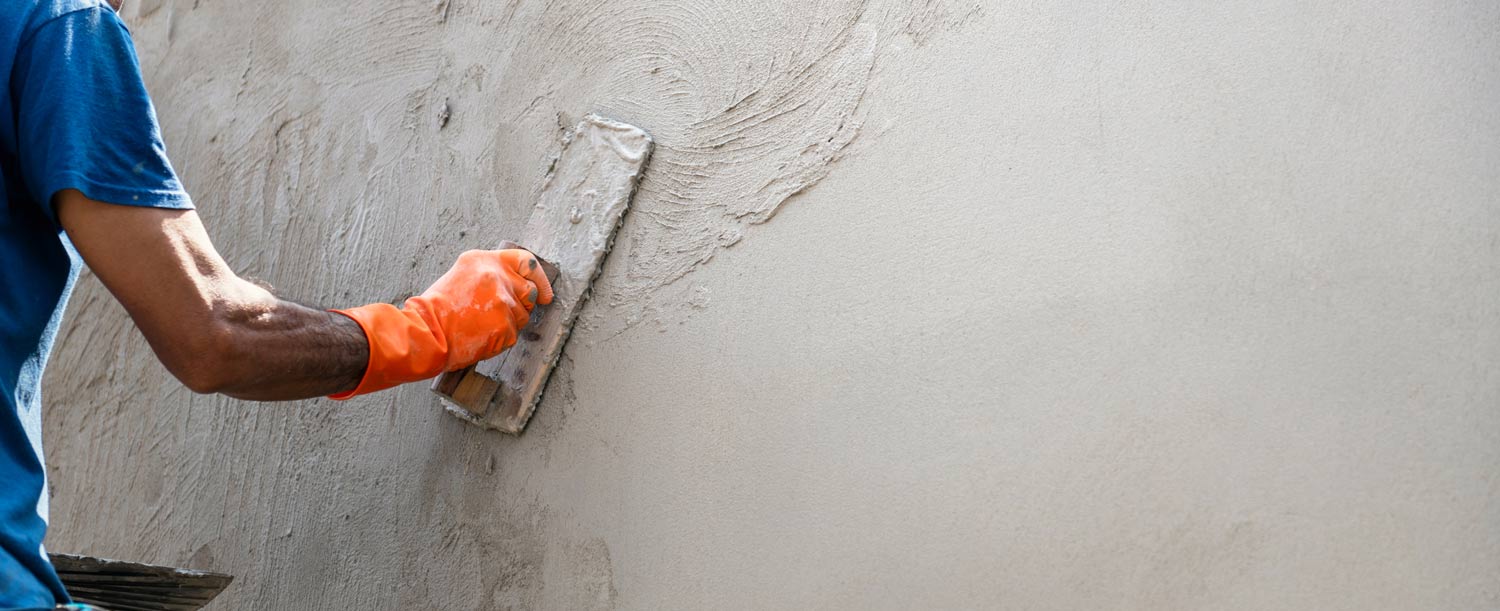
Walk onto any building site or renovation project, and you’ll hear terms like plastering, rendering, skimming, and dry lining used interchangeably—creating confusion that costs homeowners money. Hiring a dry liner when you need rendering, or expecting a plasterer to handle specialised work they don’t perform, leads to delays, unsuitable finishes, and wasted expenditure.
This comprehensive guide clarifies exactly what plasterers, renderers, and dry liners actually do, explains the different plastering techniques and when each is appropriate, breaks down realistic 2025 costs, and helps you hire the right specialist for your specific project.
The Core Distinctions: Three Related But Different Trades
While these trades all involve creating finished wall and ceiling surfaces, they use different materials, techniques, and skills.
Plasterers: The Wet Plaster Specialists
What they do: Plasterers apply wet plaster (gypsum-based or lime-based) to internal walls and ceilings, creating smooth surfaces ready for decoration.
Types of plastering work:
- Skimming: Applying thin finishing coat (3-5mm) over existing plaster or plasterboard
- Full plastering: Multiple coats including base coat and finishing coat (5-30mm total thickness)
- Repair work: Patching damaged plaster, filling cracks, making good
- Ornamental work: Creating decorative mouldings, cornices, ceiling roses (specialist skill)
- Venetian/polished plaster: High-end decorative finishes (specialist)
Costs 2025:
- Hourly rate: £15-£30 (average £22-£25)
- Day rate: £200-£350 (average £250)
- Skimming per sqm: £15-£30 (average £24)
- Full plastering per sqm: £40-£60
Renderers: The External Wall Specialists
What they do: Renderers apply external wall coverings to protect brickwork/blockwork from weather while improving appearance.
Types of rendering:
- Cement render: Most common UK choice (£10-£35 per sqm)
- Lime render: Traditional, breathable, for older/listed buildings (£30-£60 per sqm)
- Monocouche render: Single-coat coloured render (£40-£70 per sqm)
- Silicone render: Modern, self-cleaning properties (£50-£80 per sqm)
- Insulated render: Includes insulation layer (£80-£150 per sqm)
Costs 2025:
- Day rate: £200-£350
- Average house rendering (complete): £1,900-£6,000+ depending on size
Note: Many plasterers also render, but not all. Rendering requires scaffolding, weather considerations, and different material knowledge.
Dry Liners: The Plasterboard Specialists
What they do: Dry liners install plasterboard (drywall) to walls and ceilings, creating surfaces ready for decoration with minimal wet trades.
Dry lining methods:
- Dot and dab: Plasterboard fixed to masonry walls with adhesive
- Stud walls: Plasterboard fixed to timber or metal frame
- Suspended ceilings: Plasterboard on ceiling framework
- Partition walls: Creating new room divisions
Advantages:
- Faster than wet plastering
- Less messy
- Can incorporate insulation
- Quicker drying (can decorate sooner)
Still requires:
- Taping joints between boards
- Filling screw holes
- Usually a thin skim coat for best finish
Costs 2025:
- Day rate: £200-£300
- Per sqm installed: £20-£40
- Full room dry lining: £540-£920
Understanding Plastering Techniques: When to Use Each
Different situations demand different approaches. Understanding these prevents costly mistakes.
Skimming: The Surface Refresh
What it is: Applying a thin (3-5mm) finishing coat of plaster over existing plaster or new plasterboard.
When appropriate:
- Existing plaster in reasonable condition but has minor imperfections
- New plasterboard installed (requires skimming for smooth finish)
- Painted walls that need refreshing (after removing loose paint)
- Walls with small cracks and blemishes
When NOT appropriate:
- Badly damaged or blown plaster (needs full replastering)
- Damp walls (address damp first)
- Uneven walls requiring significant levelling
- Bare brick/block (needs base coat first)
Process:
- Prepare surface (remove loose material, treat with PVA if needed)
- Apply thin coat of finishing plaster
- Trowel to smooth finish
- Allow to dry (2-3 days minimum before decorating)
Costs 2025:
- Small room (10-12 sqm): £430-£550
- Medium room (15-20 sqm): £550-£750
- Large room (25-30 sqm): £750-£1,000
Timeline: 1-2 days for average room.
Full Plastering: The Complete Solution
What it is: Multiple coat application including base coat (undercoat) and finishing coat, total thickness 5-30mm.
When necessary:
- Bare brick, block, or concrete walls
- Badly damaged existing plaster
- Blown plaster requiring removal
- Uneven walls needing levelling
- New extensions or conversions
Process:
- Prepare surface (clean, wet if too dry, apply bonding agent if needed)
- Apply base coat (bonding, browning, or render coat depending on surface)
- Scratch surface to provide key
- Allow base coat to dry
- Apply finishing coat
- Trowel to smooth finish
- Allow complete drying (up to 4 weeks for full cure)
Costs 2025:
- Small room: £600-£900
- Medium room: £800-£1,200
- Large room: £1,000-£1,500+
Timeline: 2-4 days for average room plus drying time.
Dry Lining: The Modern Alternative
What it is: Installing plasterboard instead of wet plaster, then finishing joints and usually applying thin skim coat.
When appropriate:
- New stud walls or partitions
- Uneven masonry walls (dot and dab method)
- When speed is priority
- Incorporating insulation
- Avoiding drying time
Limitations:
- Not suitable for very damp environments without treatment
- Can sound hollow
- Vulnerable to impact damage
- May need battens if walls very uneven
Cost comparison: Dry lining often similar or slightly cheaper than full plastering, but much faster—can decorate within days rather than weeks.
Costs 2025:
- Standard room dry lining: £540-£920
- Including skim coat: Add £300-£500
Types of Plaster: What They’re Used For
Understanding plaster types helps you communicate with tradespeople and assess quotes.
Gypsum Plasters (Most Common)
Bonding plaster:
- Use: Base coat for low-suction surfaces (concrete, painted surfaces)
- Cost: £6-£10 per 25kg bag
- Characteristics: High “stickability”, fast drying (1.5-2 hours)
Browning plaster:
- Use: Base coat for absorbent surfaces (brick, blockwork)
- Cost: £7-£12 per 25kg bag
- Characteristics: Creates depth, needs finishing coat
Board finish/Multi-finish plaster:
- Use: Top coat for plasterboard and low-suction surfaces
- Cost: £6-£10 per 25kg bag
- Characteristics: Fast-drying, hand-applied only, creates smooth finish
One-coat plaster:
- Use: Patching and repairs
- Cost: £12-£18 per 20kg bag
- Characteristics: Mix of bonding and finishing, convenient for small jobs
Lime Plasters (Traditional)
Use: Historic buildings, breathable walls, eco-friendly choice Cost: £22-£40 per 25kg bag Characteristics: Slower drying, more flexible, traditional appearance Skills: Requires experience—not all plasterers work with lime
Specialised Plasters
Venetian/Polished plaster:
- High-end decorative finish
- Requires specialist skills
- £30-£80 per sqm supply cost, £60-£120 per sqm fitted
Moroccan/Tadelakt plaster:
- Natural lime-based, waterproof
- Suitable for wet areas
- Specialist application required
- £50-£100+ per sqm fitted
Regional Cost Variations: Location Matters
Where you live significantly affects plastering costs.
London and Southeast:
- Day rates: £300-£400
- Sqm rates: 30-50% above national average
- Skimming room: £600-£800
Major cities (Manchester, Birmingham, Bristol):
- Day rates: £250-£350
- Sqm rates: 15-25% above rural areas
Northern England, Wales, Scotland (excluding major cities):
- Day rates: £200-£280
- Sqm rates: National average or below
Rural areas:
- Day rates: £180-£260
- May have travel charges
- Limited choice of specialists
Common Plastering Problems and Solutions
Understanding typical issues helps you make informed decisions.
Blown Plaster
What it is: Plaster separated from wall, sounds hollow when tapped.
Causes: Damp, poor adhesion, age, structural movement.
Solution: Remove affected areas, address underlying cause (especially damp), replaster.
Cost: £100-£200 per square metre for removal and replastering.
Cracking
Types:
- Hairline cracks: Normal settlement, cosmetic
- Wider cracks: May indicate structural issues
Solutions:
- Minor cracks: Fill and decorate
- Significant cracking: Investigate cause, may need replastering
- Structural cracks: Require structural engineer assessment
Costs: Simple filling £70-£150, full replastering £600-£1,200+ per room.
Damp Issues
Critical: Never plaster over damp walls.
Must do first:
- Identify and eliminate damp source
- Allow walls to dry completely
- Treat with appropriate damp-proofing
- Consider tanking if necessary
Then: Use appropriate plasters (some are more breathable for damp-prone areas).
Hiring Plasterers: Essential Questions
Plastering quality dramatically affects final decoration. Choose carefully.
Skill and Experience Questions
“What types of plastering do you specialise in?”
- Clarify: Skimming, full plastering, rendering, dry lining, ornamental work
- Match: Their expertise to your project needs
- Warning: Claims to do everything perfectly (specialists exist for good reason)
“Can you show examples of similar work?”
- Request: Photos of completed projects matching your needs
- Ideally: Site visits to see quality firsthand
- Warning: Only showing one type of work when yours differs
“How long have you been plastering professionally?”
- Look for: 5+ years experience for standard work, 10+ for specialist work
- Consider: Recent training in modern materials/techniques
Project-Specific Questions
“What preparation is needed before you start?”
- Should assess: Wall condition, damp issues, required prep work
- Red flag: Assumes everything is fine without inspection
“What materials will you use and why?”
- Should specify: Type of plaster, number of coats, thickness
- Demonstrates: Knowledge of appropriate materials for your situation
“How long until walls are ready to decorate?”
- Skimming: 2-3 days minimum
- Full plastering: 1-2 weeks
- Complete cure: Up to 4 weeks
- Warning: Claims you can paint immediately (impossible with wet plaster)
“What warranty do you provide?”
- Typical: 12 months for workmanship defects
- Get in writing: Specific warranty terms
- Clarify: What’s covered (cracking from poor application) vs not covered (structural movement)
Practical Considerations
“Will you protect floors and furniture?”
- Plastering is messy—dust sheets essential
- Clarify: What protection they provide vs what you should do
“How will you dispose of waste?”
- Old plaster generates significant waste
- Clarify: Included in price or extra charge
- Skip hire: £150-£400 if needed
“What access do you need?”
- High ceilings may need scaffolding/towers
- Parking for van and materials
- Power and water access
Red Flags in Plasterer Quotes
Warning signs that indicate potential problems:
Price-related flags:
- Significantly cheaper than competitors (40%+ below others) without explanation
- Vague pricing without breakdown
- Pressure to decide immediately with “special offers”
Process flags:
- Claims plastering can be done impossibly fast
- Says you can decorate immediately after finishing
- Dismissive of damp or preparation issues
- Unwilling to assess work properly before quoting
Professional flags:
- Cannot provide references
- No insurance documentation
- Cash-only, no receipts
- Poor communication or unprofessional behaviour
- Defensive when questioned
DIY Plastering: When It’s Feasible (And When It Isn’t)
Can attempt if experienced with DIY:
- Small patch repairs
- Skimming small, non-prominent walls
- Practice areas (garage, shed)
Leave to professionals:
- Entire rooms (extremely difficult to get smooth finish)
- Ceilings (physically demanding, requires skill)
- Prominent areas (imperfections very visible)
- Ornamental work
- Any work where quality matters
Costs of DIY disasters:
- Professional replastering: £600-£1,500+ per room
- Wasted materials: £100-£300
- Your time: Substantial
- Stress: Considerable
Reality: Plastering looks simple but requires significant skill. Poor DIY plastering is obvious and expensive to fix.
Final Thoughts: Choosing the Right Approach
Plastering, rendering, and dry lining each serve specific purposes. The right choice depends on your situation, timeline, and budget.
Key principles for success:
- Understand what you need: Skimming vs full plastering vs dry lining
- Address underlying issues first: Especially damp
- Hire appropriately skilled specialists: Not all plasterers render or do ornamental work
- Get multiple detailed quotes: Compare like-for-like
- **Check references and examples