
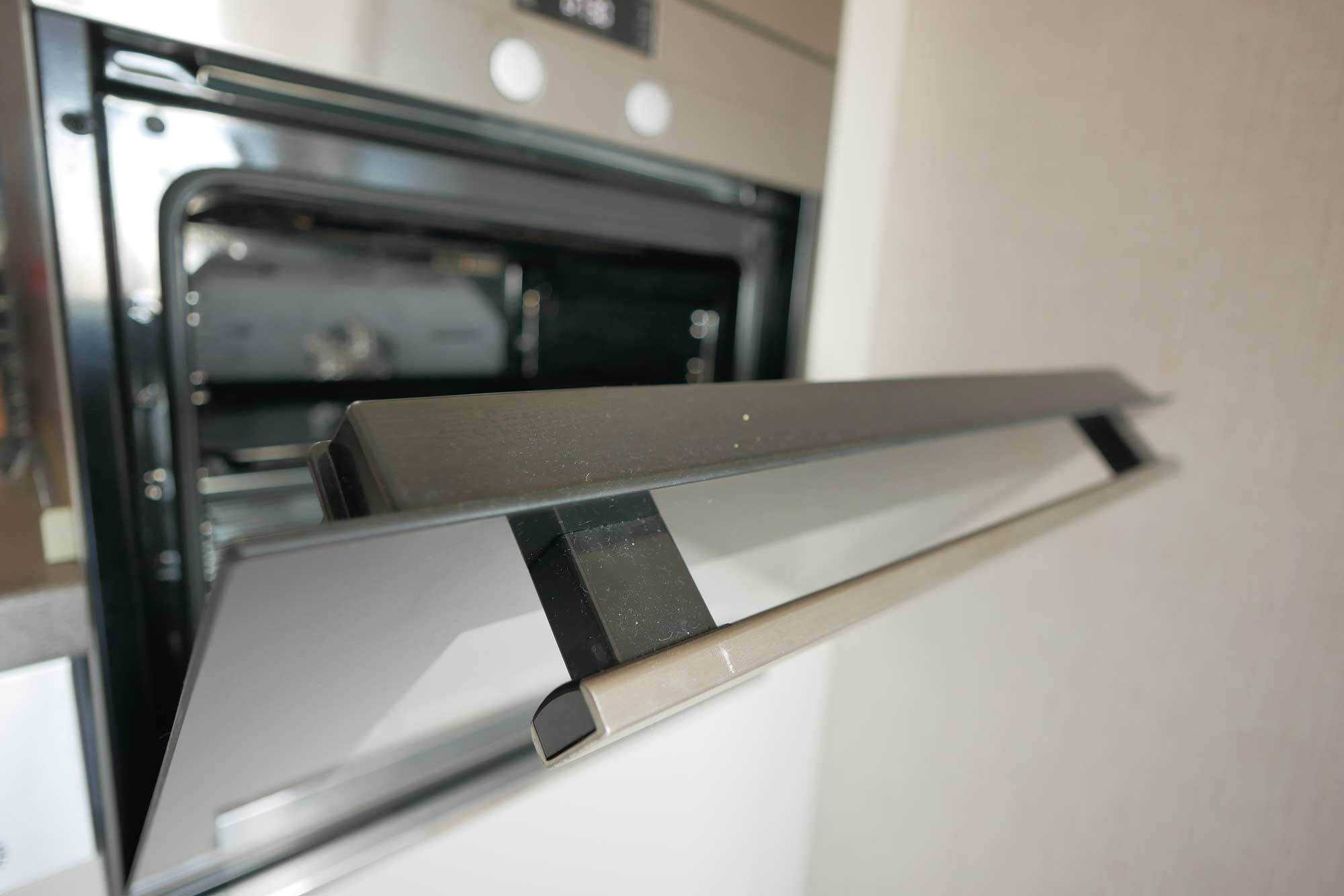
The oven cleaner working three streets away from a general domestic cleaner can earn twice as much per hour, work fewer hours, and still have a waiting list. The job is specialist, the transformation is dramatic, and most people would rather pay someone else to do it than deal with caustic chemicals themselves. That combination — high willingness to pay, lower competition, consistent demand — is genuinely rare in service trades.
But “oven cleaning is profitable” is not the same as “running an oven cleaning business is straightforward.” Equipment matters. Technique matters. Pricing strategy, marketing, and the platforms you list on all determine whether you’re earning £35,000 a year or £65,000 from the same number of working hours. This guide covers all of it — including an honest look at what platform listings really cost and what those costs mean for your margins.
In This Guide
- Earnings at a Glance
- Why Oven Cleaning Works as a Business
- Profit Potential Calculator
- Equipment You Actually Need
- What Platform Listings Really Cost
- Techniques for Professional Results
- Pricing for Maximum Profit
- Regional Quote Builder
- Building Your Customer Base
- Efficiency and Daily Operations
- Scaling Your Business
- Platform Cost Comparison Tool
- Frequently Asked Questions
Earnings at a Glance
~2 hrs work
~2.5 hrs work
3–4 cavities
specialist premium
vs £16–18 domestic
payback period
London commands 20–35% above these figures. Northern England and Wales sit at the lower end of each range. Everything in between follows the cost-of-living gradient fairly predictably — and unlike carpet cleaning or pressure washing, demand doesn’t soften in winter.
Why Oven Cleaning Works as a Business
The Margins Are Genuinely Exceptional
A standard single-oven clean takes around two hours including travel. The customer pays £60–£75. Chemicals and consumables cost roughly £8. Fuel, perhaps £4. That leaves £48–£63 net — between £24 and £31 per hour, after costs. A domestic cleaner earns £16–£18 per hour gross, before expenses. Oven cleaning earns more per hour with fewer hours worked, and the specialist nature of the service means customers don’t shop on price alone the way they might for a general clean.
Double ovens improve the picture further: charge £85–£103, spend 2.5 hours, pocket £65–£82 net. Range cookers and AGAs sit higher again. Most domestic cleaners won’t touch them, which reduces competition precisely where the premium pricing is.
Demand Is Constant, Not Seasonal
Industry surveys consistently suggest 60–70% of UK ovens haven’t been professionally cleaned in over three years — many never. Oven cleaning doesn’t slow down in winter. People cook more, not less, and the guilt of a filthy oven peaks around Christmas. January is historically one of the busiest months for bookings. The rental market adds a second income stream: with around 4.5 million private rented households and average tenancy lengths of two to three years, there are approximately 1.5–2 million tenancy changeovers every year requiring professional oven cleaning — often written into the tenancy agreement as a contractual obligation.
Less Competition Than You’d Expect
Starting a domestic cleaning round requires £50 of supplies and a mobile number. Oven cleaning requires £700–£1,650 in equipment, working knowledge of caustic chemicals, and the confidence to dismantle a range cooker without causing damage. That barrier filters out the hobbyists. In many towns and mid-sized cities, only two or three professional oven cleaners serve a population of 80,000–120,000 people, compared to 40 or 50 domestic cleaners competing for the same territory.
Profit Potential Calculator
Estimate your realistic weekly, monthly, and annual earnings
Estimates use typical mid-market rates. Does not include vehicle purchase costs or income tax. Actual earnings vary by local competition and job quality.
Equipment You Actually Need
The Dip Tank System
This is what separates professional oven cleaning from the person with a bottle of supermarket cleaner. A heated dip tank holds a caustic solution that soaks racks, shelves, and removable components whilst you clean the interior. The chemistry does the heavy lifting — baked-on carbon that would take an hour of scrubbing dissolves in 30–60 minutes of soaking at 65–75℃. Without a dip tank, you deliver inferior results and spend three times as long per job.
Entry Level (£500–£800)
- 40–60 litre capacity
- Electric heating element
- Basic drainage and stand
- Adequate for 2–3 jobs daily whilst starting out
Mid-Range (£1,000–£2,000)
- 60–100 litre capacity
- Better insulation and heating
- Sturdier construction
- Worth the upgrade at 4+ jobs daily
High End (£2,000–£4,000+)
- 100+ litre capacity
- Commercial-grade components
- Rapid heating cycle
- For established high-volume operations
Whatever system you choose, ensure it has a drainage tap (emptying 60 litres by tipping is not viable on a driveway), a lid to retain heat and reduce fume exposure, and genuine portability since you’re carrying it to and from every job.
Chemicals, Tools, and Protective Equipment
Consumer oven cleaners are too dilute for professional results and far more expensive per job than buying from trade suppliers. Your chemical kit needs caustic soda for the dip tank — buy in 25kg bags at £40–£80, lasting 50–100 jobs. A professional oven degreaser in 5-litre concentrate (£30–£60, makes 50+ litres diluted). A professional glass cleaner rated for baked-on grease. A neutraliser to eliminate caustic residue, and carbon remover for severely neglected interiors. Total chemical startup: £150–£250. For yourself: heavy-duty rubber gloves rated for caustic chemicals, safety goggles (non-negotiable with sodium hydroxide), coveralls, and knee pads. For the customer’s home: floor mats, worktop covers, and drop cloths. Total startup — equipment, chemicals, tools, PPE — runs £730–£1,650 for a solid professional kit.
What Platform Listings Really Cost
The major lead platforms fall into two models. Subscription platforms charge a fixed monthly fee — typically £80–£400 per month depending on the platform and your trade category — regardless of how many leads you receive. At £150 per month, that’s £1,800 per year, equivalent to roughly 27 full single-oven jobs in listing fees before a penny reaches you. Pay-per-lead platforms charge £5–£15 per lead you choose to respond to, with no minimum commitment — better cost control, but lead quality varies and credits can be spent on enquiries that don’t convert.
TraderStreet operates on a different model entirely: no commission taken from jobs, no per-lead fees, no monthly subscription. Every pound a customer pays goes directly to you. The Platform Cost Comparison tool in the final section of this guide lets you run the numbers for your specific job volume and average job value.
See some of our contractors which are specialised in Cleaning

Techniques for Professional Results
The Complete Job Process
Assessment and Setup (5–10 min)
Examine the oven type, condition, and any features that change your approach — catalytic liners, steam-clean functions, fixed elements. Lay floor and worktop protection. Walk the customer through what you’re about to do. Managing expectations upfront prevents problems at the end.
Dip Tank Setup (5–10 min)
Position the tank safely on the driveway or a suitable surface. Fill with hot water, add caustic soda, bring to temperature with the lid on. A tank at the correct temperature is your single biggest productivity asset — too cool and the chemistry doesn’t work properly.
Dismantling (10–15 min)
Remove every component that comes out — racks, shelves, side panels, trays, and in most cases the door itself. Door removal dramatically improves access around the hinges, frame, and seal. Once components are submerged, set a timer: minimum 30 minutes, longer for heavy buildup.
Interior Cleaning (30–45 min)
Apply professional oven cleaner top to bottom, concentrating on carbonised areas. Leave to dwell 15–20 minutes. Scrape using plastic or ceramic scrapers only — work systematically, wipe, repeat on stubborn spots. The door frame and seal deserve genuine attention; these are frequently missed and customers notice immediately.
Door Glass Cleaning (15–25 min)
Most domestic oven doors have two to four glass layers. Deposit between them is visible from every angle and impossible to reach without disassembly. Separating the panels, cleaning each layer, and reassembling carefully is time-consuming but generates more referrals than any other single part of the job.
Rack and Component Cleaning (15–25 min)
Pull components from the dip tank. After 30–60 minutes in heated caustic, heavily carbonised racks that would have needed 45 minutes of scrubbing brush off in five. Rinse thoroughly, scrub remaining deposits, rinse again, and dry. Racks should emerge silver or near-silver.
Reassembly and Finish (10–15 min)
Replace all components, reattach the door, clean the exterior, polish any stainless steel. Remove all protection material. Final check for caustic residue. Walk the customer through the results. Total time: 1.5–2.5 hours for a single oven in average condition.
Pricing for Maximum Profit
| Region | Single Oven | Double Oven | Range Cooker | AGA / Rayburn |
|---|---|---|---|---|
| London & South East | £55–£92 | £78–£128 | £105–£190 | £140–£265 |
| Major Cities | £50–£78 | £65–£103 | £88–£158 | £115–£215 |
| Northern England & Wales | £45–£68 | £58–£90 | £78–£138 | £98–£188 |
These are standard rates for ovens in average condition. A heavily neglected oven — five or more years without cleaning — justifies a condition surcharge of 40–80% and should always be quoted separately after an in-person assessment, not over the phone. Build a clear three-tier condition scale into your quoting process: average condition (standard rate), poor condition (+20–30%), and extreme condition (+50–80%). Communicate this upfront — most customers accept it without friction when it’s explained before you start.
Add-On Services That Lift Average Job Value
Every job is an opportunity to add services for a customer who is already paying you to visit. Hob cleaning adds £15–£40 depending on type. Extractor fan and hood cleaning adds £20–£40. Microwave interior adds £15–£25. BBQ grill cleaning adds £35–£85 as a seasonal push. Package pricing improves value perception: oven plus hob from £70–£95, premium package adding extractor from £90–£130, full kitchen clean at £120–£185.
Regional Quote Builder
Build a realistic quote for any oven cleaning job
Add-On Services
Typical mid-market rates. Always assess condition on-site before finalising a price.
Building Your Customer Base
Your Profile: What Actually Converts
A profile that says “oven cleaning in [town]” with a phone number misses the opportunity entirely. Customers choosing between two cleaners in the same postcode will choose the one whose profile makes them feel confident. Reference the dip tank by name — most customers have never heard of one, but “heated dip tank system” signals specialist equipment. Walk through your process in the description: dismantling, soaking, deep cleaning the interior, cleaning between the door glass layers. When customers understand that between-glass cleaning is included, they realise it’s not something they can replicate with a spray bottle — which justifies your pricing and separates you from the general cleaner who offers to “do the oven as well” for a tenner.
Customer Segments Worth Targeting Directly
Letting agents and landlords are the highest-volume opportunity in most areas. One relationship with a small agency managing 30–50 properties can generate five to fifteen jobs a month at reliable intervals. End-of-tenancy ovens are often in poor condition, warranting condition surcharges, and the same agent will send you back to the same property every time a new tenant moves out. Approach agents with a professional introduction covering your service, process, insurance details, and a clear rate for volume work.
See some of our contractors which are specialised in Cleaning



Efficiency and Daily Operations
A well-organised day runs like this: first job at 9am, finished with travel to the next by 11am. Second job 11:30am–1:30pm. Third job 2pm–4pm. Three single ovens at £60–£75 each, roughly £130–£165 net after materials and fuel. A fourth job before 7pm is achievable on days where all jobs cluster geographically. At four days per week and three to four jobs daily, you’re producing 12–16 jobs per week and net earnings of £440–£660 weekly. At five days, you’re approaching or exceeding £800 net per week — comfortably above the median full-time salary with significantly more schedule flexibility.
Geographic clustering is the single biggest efficiency lever available to you. Route your day so all jobs sit within five to eight miles of each other. Set up your booking system — even a simple calendar colour-coded by area — to group jobs by location on the same day. Forty-five minutes of unnecessary driving between jobs is time and fuel you cannot reclaim.
Handling Difficult Jobs and Chemical Disposal
When you arrive and the oven is dramatically worse than described, you have every right to renegotiate before starting. Most customers will accept a revised quote if you explain what you’re looking at calmly. If they won’t accept a condition surcharge, you can decline without apology. Losing one job is preferable to spending four hours on something priced for two. On chemicals: used caustic solution cannot be poured untreated down a drain — it is both an environmental offence and damaging to pipework. Neutralise with vinegar or mild acid after each session, check pH is close to neutral, then dispose with running water.
Scaling Your Oven Cleaning Business
The right signal to hire is consistent: you are regularly turning away bookings week after week and have been at maximum personal capacity for at least two to three months. One frustrated booking is not a signal. Six weeks of a full diary with turned-away work is. The economics of the first hire: a solo operator doing 15 jobs weekly at £65 average earns roughly £975 revenue, £700 net. Add an assistant on £14–£16 per hour across four days, costing approximately £450–£500 per week including employer contributions, and you can complete 28–30 jobs across two vans. Revenue: £1,820–£1,950. Your net after wages, two vans’ running costs, and materials: approximately £800–£900 — modest on paper but you’re no longer doing the physical work yourself, which creates capacity to build the business further.
Established oven cleaning franchise operations charge initial fees of £12,000–£20,000 with ongoing management fees of £200–£400 per month. The honest comparison: that same capital invested in your own brand, equipment, and marketing budget goes further in most UK regions. You retain 100% of earnings with no ongoing revenue share, you build an asset in your own name, and you’re not constrained by franchise brand guidelines. Independent operators who invest in their own online presence consistently outperform franchise operators in areas where the franchise brand lacks strong pre-existing recognition — which covers most of the country outside London and the South East.
✓ Good Reasons to Go Independent
- No ongoing management fees or revenue share
- Full control over pricing, branding, and service mix
- Build equity in your own business name
- Flexibility to add complementary services freely
- Lower cost of entry if self-trained
⚠ When a Franchise Might Make Sense
- You genuinely need structured hands-on training
- The brand has strong local recognition in your area
- You want a proven operational system from day one
- You have capital and want to minimise trial-and-error
Platform Cost Comparison Tool
See what each lead platform really costs per year and per job
| Platform | Annual Cost | Cost / Job | % of Revenue | Break-Even Jobs |
|---|
Subscription figures are market-range estimates and vary by trade category and region. Per-lead costs assume your stated conversion rate. TraderStreet figures reflect the zero-commission, no-subscription model.
Frequently Asked Questions
How much does it cost to start an oven cleaning business in the UK?
A complete professional setup costs £730–£1,650 for a solid working kit — heated dip tank, chemicals, tools, and protective equipment. Budget setups can be assembled for around £600 with a smaller tank and basic tools, though daily job capacity will be limited. Premium setups with high-capacity tanks run to £2,500–£4,000, but there is no need to start there. Vehicle costs are separate; most oven cleaners begin with an estate car and upgrade to a van once the business is consistently profitable.
Do I need qualifications or insurance to start?
No formal qualifications are legally required, but you should be competent in safe handling and disposal of caustic chemicals and able to dismantle and reassemble different oven types without causing damage. Many new oven cleaners spend one to three days on a training course or shadow an experienced operator before going solo. Public liability insurance is essential — minimum £2 million cover, though £5 million is the industry standard expected by commercial clients such as letting agents. Annual cost for oven cleaning-specific public liability typically runs £200–£400.
How many ovens can I clean per day?
Three to four single ovens per day is comfortably achievable once your system is established and route planning is tight. The limiting factor is usually tank heating time and travel between jobs rather than physical capacity. Five jobs in a day is possible with ideal routing and all single ovens in average condition, but it leaves no margin for complications. Mix in double ovens or range cookers and daily job count drops — but daily revenue does not, since those jobs command proportionally higher prices.
Is oven cleaning work affected by seasons?
It is one of the genuinely year-round domestic services. Demand peaks in November and December before Christmas and remains strong through January and February as post-holiday guilt kicks in. Summer months see slightly lower domestic demand, offset by the holiday rental market busiest from May to September. Overall, oven cleaning is considerably more resistant to seasonal variation than most outdoor trades — which is one reason experienced tradespeople add it as a year-round income stabiliser.
Should I franchise or go independent?
Independent is the better choice for most people in most UK regions. A franchise fee of £12,000–£20,000 plus £200–£400 per month in ongoing management fees is a significant overhead. That same capital invested in your own brand, equipment, Google Business Profile, and marketing budget builds a business you own outright with no revenue share. The exception is if you genuinely need structured training — in that case the value is the onboarding process, not the brand name.
How do I price a heavily neglected oven?
Condition-based pricing is straightforward once you understand what each level means in real labour time. Poor condition adds roughly 20–30% to your base rate and around 45 minutes of extra work. Extreme condition — heavy carbonisation, never professionally cleaned — can add 50–80% and an hour or more. Always assess in person or from clear photographs before quoting, and if the oven is dramatically worse than described when you arrive, renegotiate before you start rather than after.
Can I add oven cleaning to an existing cleaning business?
Yes, and it is one of the most effective ways to increase revenue per existing client without acquiring new customers. If you already run a domestic cleaning round, many clients will pay for professional oven cleaning once or twice a year. The equipment investment pays back faster when you already have a client base to offer it to. Book oven cleaning as separate, dedicated appointments with appropriate time allocation and pricing — not squeezed into the end of a two-hour general clean.
Which platforms are worth using when starting out?
A combination approach works best. Set up your Google Business Profile first — it is free and local search is where most customers start. List on TraderStreet for direct bookings with zero commission. For paid platforms, use the comparison tool above to evaluate what each one costs relative to your average job value and conversion rate before committing. Most oven cleaners find that once they have ten or more genuine Google reviews and consistent before-and-after photography, word-of-mouth and direct search outperform paid platform leads significantly.
List Your Oven Cleaning Business — Zero Commission
TraderStreet connects you directly with customers looking for oven cleaners in your area. No platform fees, no commission taken from your jobs. Build your profile, collect reviews, get found.
Find Oven Cleaners Near You →