
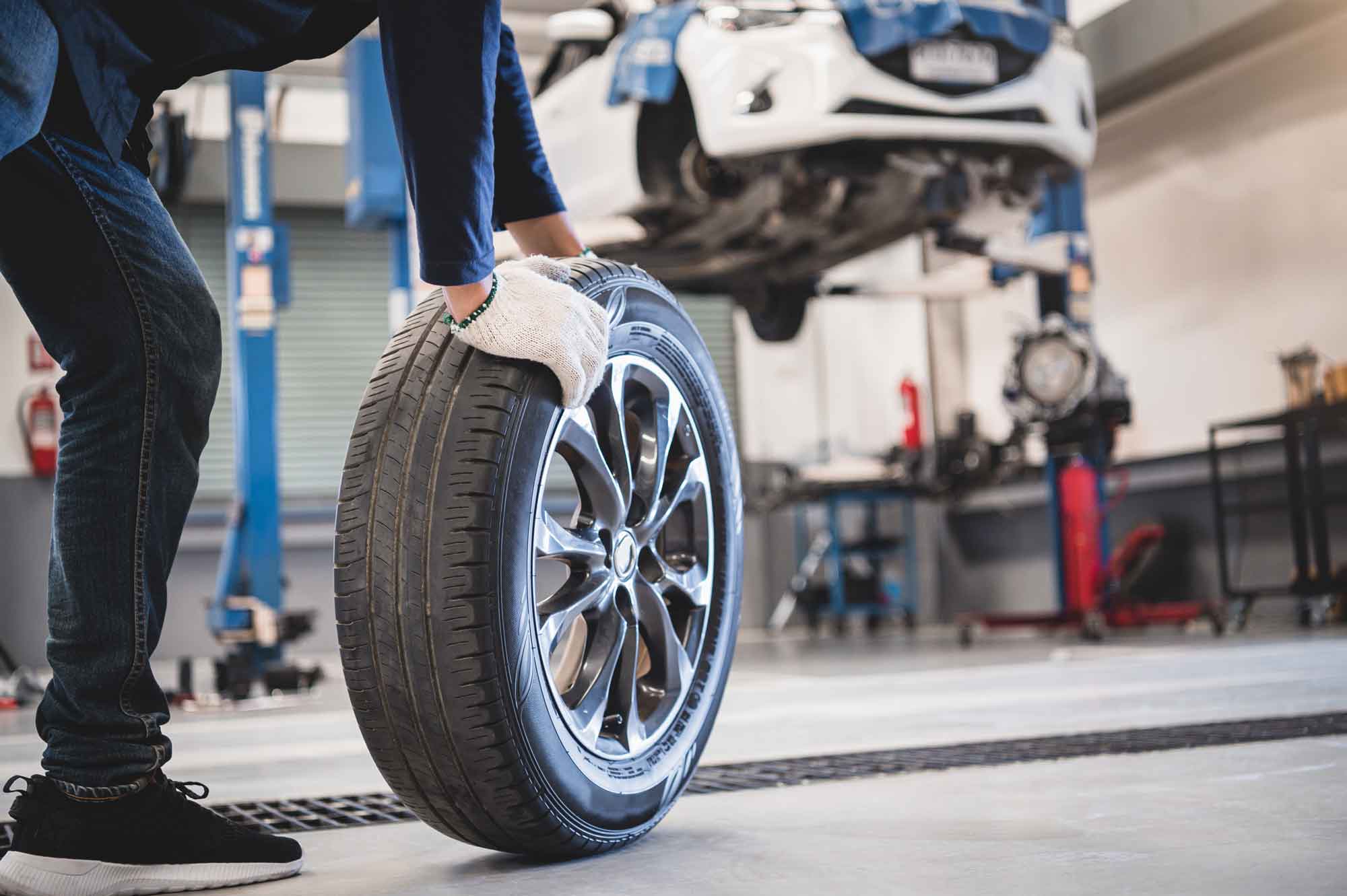
You’ve spent years working in garages. You’ve watched owners take home a tidy profit whilst you’ve been doing all the actual work for £12–£15 an hour. You’ve seen customers billed £60–£80 per hour for labour whilst you pocket a fraction of that. And you’ve thought: “I could do this myself.”
You’re right. You could.
Starting a mobile mechanic business is one of the most accessible routes to self-employment in the automotive trade. Relatively low startup costs, no rent, no rates, and a market that’s always there — because cars always break down. This guide covers everything from qualifications and equipment to pricing strategy, finding your first customers, and managing the financial side properly. No fluff. No year-by-year predictions. Just what you actually need to know.
In This Guide
Is Mobile Mechanic Work Right for You?
✓ The Brilliant Bits
- No rent, rates, or overhead of a fixed garage
- You keep the majority of what customers pay
- Flexible hours — you set your own schedule
- Strong repeat customer relationships
- Low barrier to entry versus other trades
- Genuinely good income potential once established
✗ The Challenging Bits
- No shelter — you work in all weather
- Limited to jobs you can do without a ramp
- Variable income, especially in year one
- You handle all admin, tax, and marketing
- Van breakdowns affect your ability to earn
- Customers can be more demanding one-to-one
The Honest Reality Check
A lot of garages genuinely don’t make money after rent, rates, staffing, and equipment costs. Mobile mechanics strip most of that away. Your biggest overhead is your van — and you’d be running one anyway. The trade-off is working outside in January in a client’s driveway in Wolverhampton. Some people love the autonomy. Others last six months and go back to employed work.
The mechanics who thrive tend to share a few traits: they’re organised, they communicate well with customers (not just with engines), and they treat it like a business from day one rather than just a job without a boss.
Qualifications & Legal Requirements
Core Mechanical Qualifications
The industry standard route is the IMI (Institute of the Motor Industry) framework. Most established mobile mechanics hold one or more of the following:
| Qualification | Level | What It Covers | Typical Cost |
|---|---|---|---|
| City & Guilds / BTEC Motor Vehicle | Level 2–3 | Core servicing and maintenance | College course |
| NVQ Motor Vehicle Maintenance | Level 2–3 | Practical competency-based | College/apprenticeship |
| IMI Accredited Technician | Various | Professional recognition | £200–£500 |
| EV: IMI Level 3 (hybrid/EV systems) | Level 3 | High-voltage systems | £800–£1,500 |
Electric Vehicle Qualifications — Increasingly Important
You can service EVs (brakes, suspension, 12V systems, tyres) without specialist qualifications. But you legally cannot touch high-voltage systems without the IMI Level 3 Award in Hybrid and Electric Vehicle System Repair. As EV ownership grows rapidly, this is an investment that pays for itself quickly. Mobile mechanics who add EV competency can charge a meaningful premium — and there are far fewer of them.
Essential Insurance — Non-Negotiable
At minimum, you need:
- Public liability insurance — covers third-party injury or property damage (minimum £1m, ideally £2m cover)
- Motor trade insurance — covers you driving customers’ vehicles
- Professional indemnity insurance — protects you if a repair is disputed
- Tools and equipment insurance — your tools are your livelihood
- Commercial vehicle insurance for your van
Budget around £1,500–£3,500 per year for comprehensive mobile mechanic insurance, depending on your experience, claims history, and the value of your tools. Use a broker who specialises in motor trade rather than a comparison site — the policies differ significantly in what they cover.
Business Registration
Register as self-employed with HMRC before you take your first paid job — not after. It takes about 10 minutes online. If you plan to earn above the VAT threshold (currently around £90,000 turnover), you’ll need to register for VAT too, though that’s unlikely to be a concern in year one. Most mobile mechanics start as sole traders and only consider a limited company structure once they’re well established and taking on additional staff.
Equipment & Startup Costs
Mobile Mechanic Startup Cost Estimator
The Van
Your van is your most important asset and your biggest variable cost. A reliable, presentable van matters more than a flashy one. A Transit or Sprinter in the £5,000–£12,000 range is the standard starting point — big enough to carry a decent tool setup, well-known enough that parts are cheap. Electric vans are an option but carry significant range anxiety when you’re travelling between customers all day.
See some of our contractors which are specialised in Mechanic



Essential Tools — What You Actually Need
You likely already own a significant portion of what you need if you’ve been working in the trade. What you’re filling in are the gaps — particularly diagnostic equipment, which is the biggest purchase most mobile mechanics underestimate.
| Category | Budget Setup | Professional Setup |
|---|---|---|
| Socket and spanner sets | £300–£600 | £800–£2,000 |
| Diagnostic scan tool | £200–£500 | £1,000–£3,000+ |
| Torque wrenches | £80–£150 | £200–£400 |
| Battery testing equipment | £60–£150 | £300–£600 |
| Jack and axle stands | £150–£300 | £400–£800 |
| Van racking and storage | £200–£400 | £600–£1,500 |
| PPE (gloves, overalls, knee pads) | £100–£200 | £200–£350 |
| Admin (laptop, software, phone) | £500–£800 | £800–£1,500 |
Complete Startup Cost Summary
| Item | Minimum Viable | Mid-Range Professional |
|---|---|---|
| Van (used) | £5,000 | £10,000–£15,000 |
| Tools (assuming some owned) | £2,000 | £4,000–£8,000 |
| Insurance (first year) | £1,500 | £2,000–£3,500 |
| Van setup and racking | £300 | £800–£1,500 |
| Diagnostic equipment | £200 | £800–£2,000 |
| Marketing and signage | £200 | £600–£1,000 |
| Admin, software, website | £300 | £600–£1,000 |
| Working capital buffer (3 months) | £3,000 | £5,000–£8,000 |
| Total | ~£12,500 | £24,000–£40,000 |
That working capital buffer isn’t optional — it’s the thing that keeps you solvent during the quiet weeks in January and February when you’re still building your customer base. Many first-year businesses fail not because they lack customers, but because they run out of cash before the customers find them.
Pricing Strategy: What to Charge and Why
Calculate Your Minimum Viable Rate
Start by working out what you need to earn per hour to cover all your costs and give yourself a living wage. Most new mobile mechanics underestimate this significantly — they forget to account for non-billable time, holiday, sickness, and tax.
Hourly Rate Calculator — What Should You Charge?
Regional Market Rates
Rates vary considerably across the UK. London and the South East command a significant premium over the Midlands and North, which in turn sits above rural areas. Here's a realistic guide to what the market will currently bear:
| Region | Typical Hourly Rate | Call-Out Fee | Service (Oil & Filter) |
|---|---|---|---|
| London & South East | £60–£90/hr | £30–£60 | £80–£130 |
| South West & East England | £50–£75/hr | £20–£40 | £70–£110 |
| Midlands | £45–£65/hr | £20–£35 | £65–£100 |
| North England | £40–£60/hr | £15–£30 | £60–£95 |
| Scotland & Wales | £40–£60/hr | £15–£30 | £60–£90 |
Fixed Pricing vs. Hourly — What Works Best
Most experienced mobile mechanics move towards fixed-price jobs as quickly as possible. The reason is simple: once you know how long a job takes, you can quote a fair price and, as you get faster, your effective hourly rate increases without the customer paying more.
Hourly rates suit complex diagnostic work or jobs where the scope is genuinely unclear until you're into it. Fixed pricing suits routine servicing, brake work, batteries, and most common repairs. Customers also strongly prefer fixed pricing — no nasty surprises.
Parts Pricing
How you handle parts is a meaningful revenue stream. Most mobile mechanics buy parts at trade prices and charge retail — the margin is typically 20–40%. This is standard industry practice and customers understand it. What they don't appreciate is massive markups on simple parts, so stay reasonable. On a £25 oil filter, adding £8 is fair. Charging £60 will get noticed and create bad reviews.
Finding Your First Customers
Start with Your Network — Don't Be Embarrassed
Tell everyone you know. Family, friends, former colleagues, the people at your local pub, the parents from school pickup. You're not being pushy — you're letting people who already trust you know that you're available. Most new mobile mechanics are pleasantly surprised by how quickly this fills their diary in the early weeks.
Week 1–2: Warm Network
Personal messages to everyone you know. Offer a small introductory discount for first bookings. Don't spam, but don't be shy either.
Week 2–4: Local Facebook Groups
Join local community groups and introduce yourself properly. Check the group rules — many allow business introductions on certain days. Reply helpfully to any posts asking for mechanic recommendations.
Week 3–6: Google Business Profile
Set this up immediately. It's free and is the single most important thing you can do for local search visibility. Fill in every field. Add photos. Get your first five reviews from friends and family.
Month 2–3: Listing Platforms
Create a profile on TraderStreet (no commission charged — you keep everything you earn), Checkatrade, and other relevant directories. The difference matters: platforms that charge monthly fees or take a cut of your jobs reduce your effective hourly rate significantly.
Month 2–4: Leaflets and Van Signage
Your van is a moving billboard. Good signage pays for itself many times over. Leaflets dropped in target postcodes still work, particularly for older demographics who are less active on social media but own cars that need maintaining.
Why Reviews Make or Break You
The mechanic with 47 Google reviews will win business over the mechanic with 4, every single time — even if the latter is technically more skilled. People can't assess your spanner skills from a profile. They can assess what 47 other customers thought of you. Building your review count is not a vanity exercise; it's a core part of your marketing.
After every job, ask the customer if they'd be happy to leave a review. Most people who had a good experience will do it if asked. Most won't do it unprompted. A simple message after the job — "Really glad I could help — if you've got two minutes, a Google review would mean the world" — is entirely appropriate.
See some of our contractors which are specialised in Mechanic


List on TraderStreet — No Monthly Fees for Basic Users, No Commission
Most listing platforms either charge a monthly membership or take a cut of every job. TraderStreet charges neither. You keep 100% of what you earn, and customers find you directly. It takes about five minutes to create a profile.
Create Your Free Profile →Managing the Finances Properly
Separate Business and Personal Finances Immediately
Open a separate business bank account before you take a single payment. This isn't about legal structure — even as a sole trader, keeping finances separate makes your life vastly simpler at tax time and helps you see clearly whether the business is actually making money. Many banks offer free business accounts for the first year.
Tax — What You Must Know
As a self-employed mechanic, you're responsible for calculating and paying your own tax. HMRC won't send you a bill at a convenient time — you need to manage this yourself. The fundamentals:
- Register for Self Assessment as soon as you start trading
- Keep receipts for every business expense
- Set aside roughly 25–30% of your profits each month for tax and National Insurance
- Submit your Self Assessment return annually (deadline 31 January for online filing)
- Consider accounting software — Xero, QuickBooks, or FreeAgent all work well for sole traders
Allowable Business Expenses
Your taxable profit is your income minus your allowable expenses. As a mobile mechanic, you can legitimately deduct a long list of costs including van running costs (fuel, maintenance, insurance), tools and equipment, professional subscriptions, marketing costs, accounting software, and a proportion of phone costs. Keep receipts for everything.
Realistic Income Projections
Income Projection Tool — What Could You Earn?
| Metric | Year 1 | Year 2+ |
|---|
Projections are illustrative estimates based on regional averages. Actual income depends on local demand, marketing effort, and skill mix. Tax and NI not deducted — budget approximately 25–30% of profit.
As a rough guide: a solo mobile mechanic billing 5–6 jobs per day, 4 days per week, at average regional rates, with realistic allowances for quiet periods and non-billable admin time, should realistically target a gross income of £45,000–£75,000 per year once established (year two onwards). Profit after expenses is typically 60–70% of that.
Year one is almost always lower — expect £25,000–£45,000 while you build your customer base and work through your setup costs.
Growing the Business
Option 1: Optimise and Specialise
Stay solo, but charge more. Pick a niche — EV servicing, a specific brand, fleet maintenance contracts — and become the local expert. A specialist mobile mechanic can realistically charge 30–50% more than a generalist and attract a more loyal, less price-sensitive customer base. This is often the most personally satisfying route and avoids the headaches of management.
Option 2: Add a Second Technician
Taking on a subcontractor or employee effectively doubles your revenue ceiling. The trade-off is management responsibility, quality control, and the reality that your reputation is now tied to someone else's work. If you go down this route, a subcontractor arrangement (where they have their own tools, van, and self-employed status) is simpler than employment initially — but take proper legal and tax advice to ensure the arrangement is genuine and compliant.
Option 3: Fleet and Trade Accounts
Regular servicing contracts with local businesses that run vehicle fleets — tradespeople, delivery companies, small logistics firms — provide reliable, predictable income. Fleet work pays less per job than retail customers, but the consistency is invaluable. Approach local businesses directly, offer a competitive rate for an annual servicing contract, and build from there.
Protecting Your Existing Customers
Retention is far cheaper than acquisition. A simple service reminder system — even a basic spreadsheet tracking each customer's last service date and sending an automated email or text three months before their next service is due — can meaningfully increase how much your existing customers spend with you each year. Most customers want to return to a mechanic they trust; they just forget to book until something goes wrong.
Your 90-Day Action Plan
Days 1–30: Foundations
Register with HMRC as self-employed. Open business bank account. Sort insurance (don't work without it). Register business name. Get van sorted — buy, insure, and arrange signage. Create Google Business Profile. Order business cards. Audit your tool inventory and identify gaps. Tell everyone in your network that you're open for business.
Days 31–60: Building Presence
Create a simple website (even a one-page site matters for credibility). Set up a Facebook Business Page. Create your TraderStreet profile. Join local Facebook community groups. Design and print leaflets. Complete your first 10 jobs — including friends and family at a discount to build your review base. Set up invoicing and accounting software.
Days 61–90: First Real Customers
Ask every satisfied customer for a Google review. Deliver leaflets in your target area. Refine your pricing based on actual job times. Set up a basic service reminder system. Follow up with first-month customers to book their next visit. Approach two or three local businesses about fleet servicing. Review your weekly income and adjust marketing spend accordingly.
Frequently Asked Questions
Do I need a specific qualification to work as a mobile mechanic in the UK?
There's no legal requirement to hold a specific qualification, but professional certifications from the IMI or City & Guilds are strongly recommended. They're often required by insurance providers, and customers increasingly check for them. For EV work involving high-voltage systems, the IMI Level 3 qualification is a legal requirement.
What insurance do I legally need as a mobile mechanic?
As a minimum, you need public liability insurance and motor trade insurance to legally drive customers' vehicles. Professional indemnity and tools insurance are strongly advised. Without motor trade insurance, you cannot legally move a customer's car — even to reposition it on a driveway.
How much can I realistically earn in my first year?
Most first-year mobile mechanics earn between £25,000 and £45,000 gross, depending on their region, marketing effort, and how quickly they build their customer base. By year two, established mechanics typically reach £45,000–£75,000. These are gross figures; subtract expenses (van costs, insurance, tools, software, tax) to get your net take-home.
Can I do this without a van — just using a car?
Technically possible for a limited range of work, but not practical as a business. A van provides essential storage, protection for tools, and the space needed for a proper workshop setup. It's also a key marketing asset — van signage generates significant enquiries passively.
Do I need to charge VAT?
Only once your turnover exceeds the VAT registration threshold (currently around £90,000). Most sole trader mobile mechanics don't reach this in their first few years. Once you do, you'll charge VAT on your services and can reclaim VAT on business purchases — it becomes revenue-neutral in most cases, though it does add administrative complexity.
How do I handle it when a job goes wrong?
Stay calm, be honest, and fix it. Your professional indemnity insurance covers you for genuine mistakes. Attempting to hide an error almost always makes things worse and destroys customer relationships. Most customers are remarkably understanding about genuine mistakes handled professionally — they're far less forgiving of evasion or dishonesty.
Should I register as a sole trader or a limited company?
Start as a sole trader. It's simpler, cheaper to run, and entirely appropriate for a one-person operation. Revisit limited company status once you're earning well above the higher tax rate threshold or if you have a specific reason to separate your personal and business liability. Most mobile mechanics who stay solo never need to go limited.
Ready to Get Your First Customers?
TraderStreet connects mobile mechanics with local customers — with no monthly fees and zero commission taken from your earnings. Your profile, your reputation, your money.
List Your Business Free →