
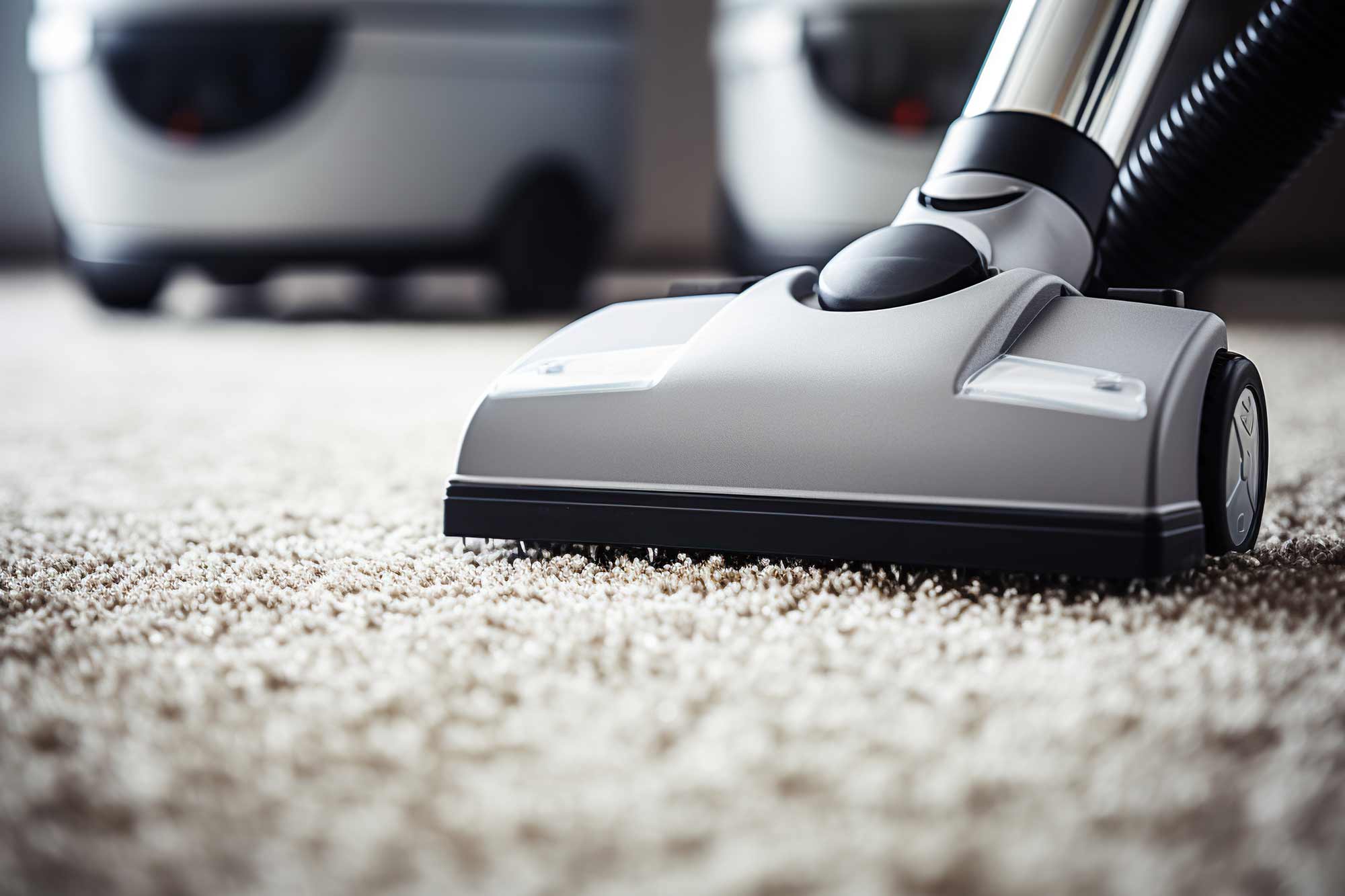
Carpet cleaning sits in a sweet spot that very few service businesses occupy: the margins are strong, the demand is consistent year-round, and the barrier to entry is low enough to get started quickly — yet high enough to keep the market from being flooded. A competent carpet cleaner working a modest number of jobs per week can earn comfortably more per hour than the average domestic cleaner, often two to three times as much, for work that is no more physically demanding.
This guide covers everything you need to start and grow a profitable carpet cleaning business in the UK: the equipment that actually works, how to price confidently, and how to market yourself so you’re never short of bookings. Whether you’re adding carpet cleaning to an existing cleaning business or building something standalone, the fundamentals are the same.
In This Guide
Why Carpet Cleaning Pays So Well
The economics are straightforward. A three-bedroom property — three rooms, a landing, and stairs — typically takes around two and a half hours including travel and commands £120–180 depending on region. After materials and fuel, that’s net profit of roughly £45–55 per hour. Compare that to regular domestic cleaning and the case makes itself.
What makes the income particularly attractive is that it compounds. Annual repeat rates for quality carpet cleaning sit between 60 and 80 per cent, which means a client base of 100 households generates 60–80 bookings a year before you’ve acquired a single new customer. Demand is also genuinely year-round — spring cleaning, summer rental turnovers, pre-Christmas preparation, and post-holiday refreshes create a natural rhythm of busy periods without any true off-season.
Equipment investment pays back quickly. A decent portable extractor costs £600–1,500, and at one average job per day you’re typically in profit within two to three months. If you’re serious about the trade, the National Carpet Cleaners Association (NCCA) offers training, accreditation, and a member directory that can lend real credibility when you’re building your profile. Use the calculator below to model your own scenario.
Equipment: What You Actually Need
Hot water extraction works by injecting hot water mixed with cleaning solution deep into the carpet fibres under pressure, then immediately extracting it along with the dissolved dirt. Done properly, carpets dry in four to eight hours. The water you extract should run darker after each pass; if it’s clear from the start, you haven’t used enough solution to lift the dirt.
For most people starting out, a quality portable extractor is the right choice. Brands like Prochem and Numatic produce machines at various price points — expect to pay £600–800 for a reliable entry-level machine and £1,500–2,500 for something mid-range that will handle a full working day comfortably. Truck-mounted systems (£10,000–25,000) offer significantly more power and are the natural progression for a full-time operation, but they’re not where you start.
Alongside your machine you’ll need a starter chemical kit: a pre-spray traffic lane cleaner, a low-foaming extraction detergent, a general spotter, an enzyme-based pet urine treatment, and a deodoriser. Budget £100–150 for this. Buy from professional suppliers such as Prochem, Chemspec, or Alltec — professional concentrates are properly pH-balanced and significantly more economical per job than supermarket alternatives.
Starter (£600–1,000)
- Numatic George or Vax Professional
- Adequate for part-time or add-on service
- Best for testing the market
Mid-Range (£1,500–2,500)
- Prochem Steempro Powermax
- Handles a full working day
- Right choice for full-time focus
Pro / Truck-Mount (£3,000+)
- Prochem Endeavor or truck-mounted
- Maximum power and throughput
- For established, scaling businesses
Startup Cost & Break-Even Calculator
See how quickly your equipment investment pays for itself
See some of our contractors which are specialised in Cleaning


Technique and the Cleaning Process
Start every job with a thorough pre-vacuum. Removing loose dirt and hair before you introduce water means your machine can focus its energy on the embedded grime rather than surface debris. Next, apply a pre-spray to traffic lanes and heavily soiled areas and allow it a dwell time of at least five minutes — this is what breaks down the greasy, compacted dirt that hot water alone won’t shift.
The extraction itself requires slow, overlapping passes. Work from the far corner of the room back towards the door so you’re never walking over cleaned carpet. Each pass should apply solution on the forward stroke and extract on the return. Moving too quickly is the most common beginner error — inadequate extraction leaves carpets wet for too long and removes far less dirt. A well-executed clean on a three-bedroom property takes around two to two and a half hours from pre-inspection to final grooming.
Wool carpets need lower water temperatures, a neutral to slightly acidic cleaning solution, and an acid rinse to finish. Polypropylene — the most common residential carpet — is resilient and forgiving. If you’re ever uncertain about a flatweave, kilim, or delicate piece, it’s better to decline the job than risk shrinkage or dye bleed. The Carpet Foundation’s care guidance is a useful reference for cleaning recommendations across different carpet constructions. Always run a colourfastness test on an inconspicuous area before cleaning any carpet: apply a small amount of solution, blot with a white cloth, and check for colour transfer. This single step prevents the majority of serious complaints.
✓ Signs of a Good Clean
- Extracted water darkens progressively
- No residue or detergent smell after drying
- Carpets dry in 4–8 hours
- Pile stands upright after grooming
⚠ Warning Signs
- Carpets still damp after 24 hours (over-wetting)
- Brown marks appearing as carpet dries (wicking)
- Colour transfer during test patch
- Rapid resoiling within days
Pricing Your Services
Regional variation in carpet cleaning rates is significant. In London and the South East, a three-bedroom property commands £150–200 for a full clean. In the Midlands you’re looking at £120–160, whilst Wales and Northern England sit at the more affordable end of the national range at £100–140. These are not rigid rules — your local competitive set, your reputation, and the condition of the carpet all influence where within that range you should pitch.
Most cleaners use per-room pricing for smaller jobs and whole-property package pricing for larger ones, typically discounting around 10–15 per cent against the per-room total to encourage clients to do everything at once. That approach is sensible: one appointment with a full house is far more efficient than three separate visits. Extras such as carpet protection (£8–15 per room), specialist stain treatment, and pet urine enzyme treatment should always be priced separately and explained clearly before work begins.
| Region | 1-bed flat | 2-bed property | 3-bed property | Stairs |
|---|---|---|---|---|
| London | £90–110 | £130–155 | £155–185 | £35–42 |
| South East | £80–100 | £115–135 | £140–165 | £30–38 |
| Midlands | £70–90 | £100–120 | £125–148 | £25–32 |
| North of England | £65–80 | £90–110 | £110–132 | £22–28 |
| Wales | £60–76 | £86–104 | £105–126 | £20–25 |
| Scotland | £67–83 | £96–115 | £118–140 | £22–28 |
Quote Pricing Calculator
Get a recommended quote range for any job
See some of our contractors which are specialised in Cleaning

Marketing and Getting Clients
Start with the clients you already have. If you’re an existing domestic cleaner, carpet cleaning is a natural annual upsell — a simple message to your regular clients explaining the service and the benefits will generate your first bookings without any marketing spend. Ask every satisfied client for a review that mentions the specific outcome: “carpets look brand new” or “removed a stain I’d had for three years” is infinitely more persuasive than a generic five stars.
Beyond your existing base, there are two client segments worth building relationships with early. Landlords and letting agents deal with end-of-tenancy cleaning constantly; even modestly priced repeat work across several properties each month becomes significant annual revenue. Estate agents are worth cultivating too — vendors increasingly want carpets cleaned before viewings, and a reliable referral partner is something agents are genuinely glad to have. Approach both with a professional email outlining your service, your turnaround time, and your rates. You won’t land every one, but a handful of steady referrers can transform your workload.
TraderStreet’s zero-commission model means every booking you receive through the platform is yours in full. A detailed profile — describing your method, your equipment, your service inclusions, and your pricing structure — positions you as a specialist rather than a general cleaner and attracts clients who understand what professional extraction actually involves.
Handling Difficult Situations
Some stains are permanent. Very old set-in dyes, bleach damage, and burn marks will not lift regardless of the method or chemistry used. The professional response is to document your treatment attempts with photos, explain the cause clearly to the client, and be direct: “I’ve used the appropriate treatments and it’s improved significantly, but this won’t fully remove without risking carpet damage.” Most clients appreciate honesty over false promises, and goodwill preserved here converts into a repeat booking the following year.
Wicking — stains that appear to have been removed but reappear as the carpet dries — is common and fixable. Old contamination from deep in the carpet wicks to the surface as moisture evaporates. Offer to retreat the affected area once the carpet is fully dry; a second pass almost always resolves it. Over-wetting is the other frequent issue for those still developing their technique. If carpets haven’t dried within twelve hours, run as many extraction passes as the machine will allow, advise the client to use fans and open windows, and return the following day if needed. One difficult job handled professionally is worth more to your reputation than a dozen straightforward ones.
Earnings Potential Estimator
Model your annual income across three business scenarios
Frequently Asked Questions
How much do I need to invest to get started?
A realistic starting budget is £700–1,150, covering a decent portable extractor (£600–1,000) and a starter chemical kit (£100–150). This level of investment is sufficient for professional results and pays back within roughly 15–20 jobs. As your client base grows, upgrading to a mid-range machine becomes worthwhile — but starting lean is sensible until you understand your local market.
Can I use a consumer machine like a Rug Doctor professionally?
No. Consumer machines don’t have the motor strength, tank capacity, or build quality for daily commercial use. The results are noticeably inferior to professional extraction — carpets take longer to dry, less dirt is removed, and the machine won’t hold up to regular work. Investing in a proper commercial portable from the outset is not optional if you want to charge professional rates and build a reputation on results.
What if I damage a carpet?
This is exactly why public liability insurance with treatment risk cover is essential before you take on any paying work. Most carpet damage is preventable — colourfastness testing, correct chemical selection, and appropriate water temperature for the carpet type eliminate the vast majority of risk. If an accident does occur despite proper precautions, document everything with photos, be honest with the client, and let your insurance handle the claim. Trading without appropriate cover is a serious risk to your business.
How long does it take to become competent?
Most cleaners feel genuinely confident after 10–15 jobs. The first few take longer than they should as you learn your machine and refine your process — this is normal. By the time you reach job 20 or 25 you’ll have developed an efficient system and your times will have shortened considerably. Offering introductory rates to friends and family for your first five jobs is a low-pressure way to build that experience without the anxiety of high-paying client expectations.
Should I offer carpet protection as a standard upsell?
Yes, it’s one of the best add-ons available. Applied after the clean, a carpet protector creates a barrier on the fibres that resists future soiling and makes the next clean significantly easier. It costs £2–3 per room in product and takes a few extra minutes to apply, but clients readily pay £8–15 per room for it once you explain the benefit. It also extends the visual life of freshly cleaned carpets, which reflects well on you at the next annual clean.
Is carpet cleaning viable as a full-time business?
Absolutely. Full-time carpet cleaning specialists running a solid repeat-client base consistently earn £45,000–65,000 annually as sole traders, and those who scale with additional machines and operators can earn considerably more. The key is building a genuinely high repeat rate through quality of work and professional communication — a client who rebooks annually without prompting is the foundation of a sustainable business.
How do I handle a stain the client assumed I would remove?
Be honest and specific. Explain what you tried, why the stain won’t lift (bleach damage, set dye, age), and what the risk of further treatment would be to the carpet. Show them photos of the treatment attempts if you have them. Clients who feel informed rather than fobbed off are far more likely to rebook — and far less likely to leave a negative review — than those who feel they weren’t given a proper explanation. Setting realistic expectations at the quoting stage, particularly for heavily stained carpets, avoids most of these conversations entirely.
Find a Professional Carpet Cleaner Near You — Zero Commission
TraderStreet connects you directly with qualified local carpet cleaning specialists. No platform fees, no commission — compare profiles, read genuine reviews, and contact directly.
Find Carpet Cleaners Near You →