
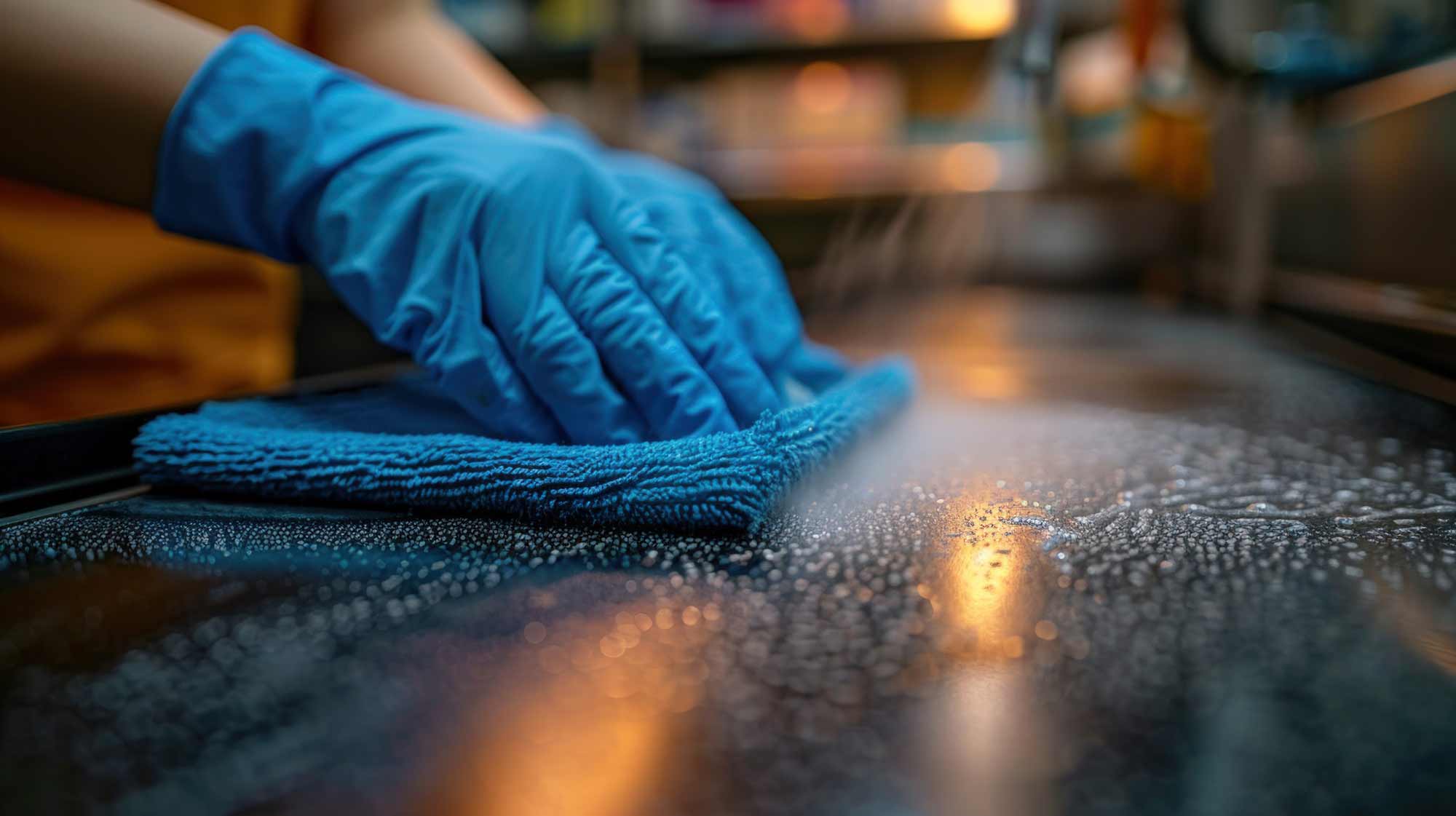
Your home needs more than just regular maintenance cleaning. Here’s everything you need to know about deep cleaning – what it involves, when you need it, and what you should actually pay.
Let’s be honest: even with regular weekly or fortnightly cleaning, there are areas of your home that just don’t get proper attention. The space behind the fridge where dust bunnies have established a small civilisation. The extractor fan filters coated in sticky grease. The grouting that’s gradually turned from white to grey. The mysterious grime accumulating on top of kitchen cupboards.
Regular maintenance cleaning keeps your home tidy and hygienic. But deep cleaning? That’s what actually resets everything to properly clean. It’s the difference between brushing your teeth daily and getting a professional dental clean – both matter, but they serve different purposes.
If you’ve never had a proper deep clean, you might not even realise how much cleaner your home could be. And if you’re facing a situation that requires deep cleaning – moving house, preparing for a big event, recovering from renovations, or just acknowledging that things have got a bit out of hand – you’re probably wondering what’s involved and what it should cost.
This comprehensive guide will walk you through everything about deep cleaning: what it actually includes, when you need it, how it differs from regular cleaning, realistic costs across the UK, and how to find cleaners who’ll do it properly.
What Actually Is Deep Cleaning?
Right, let’s get specific. “Deep cleaning” gets thrown around a lot, but what does it actually mean?
Regular Maintenance Cleaning vs. Deep Cleaning
Regular maintenance cleaning (your weekly or fortnightly clean) includes:
- Hoovering and mopping floors
- Dusting visible surfaces
- Cleaning bathrooms (toilets, sinks, showers, baths)
- Kitchen surfaces and visible appliances
- Emptying bins
- Making beds (if agreed)
- General tidying
Deep cleaning includes everything above PLUS:
- Inside all appliances (oven, fridge, dishwasher, washing machine)
- Inside all cupboards and drawers
- Behind and under furniture and appliances
- Detailed work on skirting boards, door frames, light fixtures
- Descaling taps, shower heads, and fixtures thoroughly
- Cleaning inside windows (and outside if accessible)
- Detailed work on grouting and tiles
- Ceiling fans, light fixtures, high surfaces
- Washing down walls and doors
- Deep carpet and upholstery cleaning (often additional service)
- Areas that haven’t been touched in months or years
Think of it this way: regular cleaning maintains an already-clean home. Deep cleaning addresses the accumulated dirt, grime, and neglect that builds up over time despite regular cleaning.
Room-by-Room: What Deep Cleaning Actually Involves
Kitchen (the most intensive room):
Oven and hob:
- Complete oven interior cleaning (racks, glass, walls, floor)
- Hob deep-cleaned including burner caps and gaps
- Control knobs removed and cleaned
- Oven exterior and surrounding tiles
Appliances:
- Fridge: Empty, clean shelves and drawers, defrost freezer, clean seals, exterior, behind and underneath
- Dishwasher: Clean filter, seals, interior, exterior, run cleaning cycle
- Washing machine: Clean drum, seal, detergent drawer, filter, exterior
- Microwave: Interior scrubbed, exterior cleaned, turntable washed
- Kettle and toaster: Descaled, deep-cleaned, exterior polished
Surfaces and storage:
- Inside all cupboards (remove items, wipe shelves, clean doors inside and out)
- Inside all drawers (empty, wipe, reorganise if requested)
- Worktops thoroughly cleaned and descaled
- Backsplash and wall tiles degreased and scrubbed
- Extractor fan: Hood cleaned, filters removed and degreased
- Taps and sink: Completely descaled, plughole cleared
- Under sink cabinet cleaned
- Top of cupboards (where grease and dust accumulate thickly)
Other kitchen tasks:
- Walls spot-cleaned or washed down
- Light fixtures and switches cleaned
- Behind appliances (pull out fridge, cooker, washing machine)
- Floor edges and corners scrubbed
- Bin thoroughly cleaned or replaced
- Door and door frame cleaned
Bathroom (second-most intensive):
Fixtures:
- Toilet: Descaled inside bowl, under rim, around base, exterior, behind
- Sink: Completely descaled, plughole cleared, pedestal cleaned
- Bath: Scrubbed, descaled, taps completely clean, surrounding tiles
- Shower: Tray/cubicle scrubbed, screen descaled, shower head removed and descaled, tiles and grout detailed, taps descaled
- Bidet (if present): Same treatment as toilet
Storage and surfaces:
- Inside all bathroom cabinets
- Medicine cabinet cleaned
- Shelving units detailed
- Mirror spotless (not just wiped – properly cleaned)
- Tiles: All wall tiles cleaned, grouting as white as possible
- Extractor fan grille removed and cleaned
- Light fixtures cleaned
- Switches and sockets cleaned
Other bathroom tasks:
- Walls washed down (bathroom walls get surprisingly dirty)
- Door and door frame cleaned
- Behind radiator cleaned
- Floor edges and corners scrubbed
- Drain covers removed and cleaned
- Under-sink cabinet cleaned
Living Areas and Bedrooms:
Detailed cleaning:
- Skirting boards: Entire perimeter, including corners and behind furniture
- Doors: Both sides, frames, tops, handles
- Light fixtures: Shades removed and washed, bulbs cleaned, fixtures dusted
- Light switches and plug sockets: All cleaned (these get surprisingly grubby)
- Picture rails and coving: Dusted and wiped
- Radiators: Front, back, between fins, underneath
- Window sills, frames, and tracks: Detailed cleaning
- Windows: Interior cleaned thoroughly (exterior usually additional)
- Curtains/blinds: Vacuumed or washed (depending on type)
Furniture:
- Behind and under furniture (moved to clean)
- Sofa vacuumed thoroughly, cushions removed and cleaned under
- Wardrobes: Inside (empty shelves wiped, rails cleaned, inside doors, exterior)
- Bookshelves: Books moved, shelves dusted, books replaced
- TV stands and electronics: Properly dusted (not just surface wipe)
Floors:
- Carpets: Thorough vacuuming including edges, under furniture, stairs
- Hard floors: Swept, mopped, corners and edges scrubbed
- Under beds and sofas
- Stair carpet: Each step detailed, edges cleaned
Hallways and Stairs:
- Bannisters: Detailed cleaning of spindles and rails
- Stairs: Each step individually cleaned
- Walls: Spot-cleaned or washed (high-traffic areas get marked)
- Doors and frames: All cleaned
- Coat cupboards: Inside cleaned
What’s Usually NOT Included in Standard Deep Cleaning
These are typically additional services:
- Professional carpet steam cleaning (deep clean hoovering, yes; steam cleaning, extra)
- Exterior window cleaning
- Garden or outdoor areas
- Garage or shed
- Loft/attic
- Heavy-duty decluttering or organisation
- Removal of tenant belongings
- Repairs or maintenance (fixing broken things vs. cleaning)
- Wall painting or major repairs
Always clarify exactly what’s included before booking.
When You Actually Need Deep Cleaning
Deep cleaning isn’t something you need monthly. But there are specific situations where it’s absolutely worthwhile.
The Annual or Bi-Annual Deep Clean
Traditional spring cleaning exists for a reason.
Even with excellent regular maintenance cleaning, grime accumulates in areas that regular cleaning doesn’t address. Once or twice yearly deep cleaning prevents this buildup becoming serious.
Recommended frequency:
- Small flats with one occupant: Annually
- Family homes with children/pets: Twice yearly (spring and autumn)
- Large properties: Twice yearly minimum
- Rental properties: Annually or when tenancy changes
Benefits of regular deep cleaning:
- Prevents major buildup requiring intensive work later
- Maintains property value
- Healthier home environment
- Catches maintenance issues early (cleaning behind appliances reveals problems)
- Makes your home feel genuinely fresh and renewed
Moving Into a New Home
You don’t know how clean it really is.
Even if the previous occupants had the property cleaned, your standards might differ. Deep cleaning before you unpack means starting fresh in a genuinely clean home.
Timing: Book deep cleaning for the day before or day of moving in, after previous occupants have left but before you bring belongings.
Focus areas:
- Kitchen: Inside all cupboards, fridge, oven
- Bathroom: Everything thoroughly disinfected
- Floors: Thoroughly cleaned before furniture arrives
- Windows: Clean for natural light
- General: Every surface you’ll touch
Worth it? Absolutely. Moving is stressful enough without worrying whether surfaces are actually clean.
Moving Out (End of Tenancy)
This is actually mandatory for deposit return.
Tenancy agreements typically require properties returned in condition matching the check-in inventory. That means professionally clean – which is deep cleaning standard.
This isn’t optional:
- Landlords deduct cleaning costs from deposits
- Average deductions: £200-£500 if not properly cleaned
- Professional end of tenancy clean: £150-£350
- The maths clearly favours professional deep cleaning
Specific focus:
- Oven must be spotless (primary cause of deductions)
- Kitchen appliances inside and out
- Carpets may need professional steam cleaning
- Every area documented in inventory must match initial condition
See our complete guide to end of tenancy cleaning for more detail.
After Renovations or Building Work
Builder’s dust gets everywhere. EVERYWHERE.
Post-renovation properties need intensive deep cleaning:
- Dust on every surface (including inside cupboards and on top of everything)
- Plaster dust that’s difficult to remove
- Paint splatters on floors and surfaces
- Adhesive residue
- General construction debris
Standard cleaning isn’t sufficient. You need cleaners experienced with post-renovation cleaning who know how to handle:
- Removing plaster dust without smearing it
- Cleaning paint off surfaces without damage
- Dealing with adhesive residue
- Multiple cleaning passes (post-renovation cleaning often requires going over surfaces multiple times)
Cost: Usually 30-50% more than standard deep cleaning due to intensity.
Preparing for Major Events
Hosting a big family gathering, party, or important visitor?
Deep cleaning beforehand means:
- Everything genuinely clean (not just surface-tidy)
- Fresh-smelling home
- Bathrooms that sparkle
- Kitchen ready for cooking
- Confidence that guests won’t notice neglected areas
Timing: Book 2-3 days before the event. This allows time for any touch-ups if needed whilst ensuring everything’s still fresh.
Worth it: For significant events (weddings at home, milestone birthdays, important dinner parties), the peace of mind is invaluable.
When Things Have Got Out of Hand
Life happens. Sometimes cleaning falls down the priority list.
Situations where deep cleaning resets things:
- After illness (yours or family member’s)
- After particularly busy periods (new job, new baby, major life event)
- When you’ve neglected cleaning for months
- Accumulation over years (especially if you’ve never deep cleaned)
No shame in this. Everyone goes through periods where home maintenance suffers. Deep cleaning gets you back to baseline so regular cleaning can maintain it.
Seasonal Deep Cleaning
Different seasons create different cleaning needs:
Spring cleaning (March-May):
- Post-winter grime removal
- Fresh start for lighter months
- Windows cleaned for summer light
- Winter bedding washed and stored
Autumn cleaning (September-October):
- Pre-winter preparation
- Summer dust and pollen removed
- Windows cleaned before winter darkness
- Summer items stored, winter items cleaned
Pre-Christmas clean (November):
- Before hosting season begins
- Creating welcoming home for guests
- Decluttering before new items arrive
- Starting holiday season with fresh, clean home
When Selling Your Property
First impressions matter enormously.
Professional deep cleaning before viewings:
- Makes property feel loved and maintained
- Highlights attractive features
- Creates positive emotional response in viewers
- Can increase perceived value
Estate agents often recommend this. The cost (£200-£400) is minimal compared to potential impact on sale price or speed of sale.
Focus on:
- Kitchen and bathrooms (buyers scrutinise these)
- Windows (natural light)
- Carpets (consider professional steam cleaning)
- Overall fresh, clean impression
Deep Cleaning Costs: What You Should Actually Pay
Right, let’s talk specific numbers. What does deep cleaning actually cost in 2025?
National Average Costs
London and South East:
- Studio/1-bed flat: £150-£250
- 2-bed flat/house: £200-£320
- 3-bed house: £250-£400
- 4-bed house: £320-£550
- 5-bed house: £400-£700+
Major Cities (Manchester, Birmingham, Edinburgh, Bristol, Leeds):
- Studio/1-bed flat: £120-£200
- 2-bed flat/house: £160-£270
- 3-bed house: £200-£350
- 4-bed house: £260-£480
- 5-bed house: £350-£600+
Other Regions:
- Studio/1-bed flat: £100-£180
- 2-bed flat/house: £140-£240
- 3-bed house: £180-£310
- 4-bed house: £240-£420
- 5-bed house: £320-£550+
What Affects the Price?
Property size is the primary factor, but several other things influence costs:
Current condition matters hugely:
- Reasonably maintained: Base price
- Neglected for months: +20-30%
- Years of accumulated grime: +40-60%
- Post-renovation: +30-50%
- Hoarder clean: +100-200% (specialist service)
Example: A 3-bed house in Manchester might cost £220 if reasonably maintained, but £300+ if it hasn’t been deep cleaned in three years.
Number of bathrooms affects price:
- Most quotes assume one bathroom per 2 bedrooms
- Additional bathrooms: +£30-£60 each
- En-suite bathrooms count as full bathrooms
Add-on services increase total cost:
- Carpet steam cleaning: +£30-£60 per room
- Inside oven deep clean: Often included, but if separate +£40-£70
- Inside fridge: Usually included
- Exterior windows: +£30-£60
- Inside cupboards: Usually included
- Curtain washing: +£20-£40 per pair
Property age and condition:
- Modern, well-maintained properties: Base price
- Older properties with original features: May cost more (delicate surfaces)
- Properties with excessive limescale (hard water areas): +10-20%
Access and location:
- Ground floor flats: Base price
- Upper floors without lifts: +£20-£40 (equipment hauling)
- Difficult parking/access: +£10-£30
- Central London congestion charges: +£15-£30
Hourly Rate vs. Fixed Price
Most deep cleaning is quoted as fixed price based on property size and condition.
Advantages of fixed pricing:
- Know exactly what you’ll pay
- Cleaner motivated to work efficiently
- No surprises
Some cleaners charge hourly for deep cleaning:
- Typical rates: £20-£30/hour (higher than regular cleaning)
- Usually with estimated time range
- Final cost varies based on actual time
Ask upfront how pricing works to avoid misunderstandings.
Time Required for Deep Cleaning
Understanding time helps you assess whether quotes are realistic:
Studio/1-bed flat: 4-6 hours
2-bed flat: 6-8 hours
2-bed house: 7-9 hours
3-bed house: 8-12 hours
4-bed house: 12-16 hours
5-bed house: 16-24 hours
These assume reasonable condition. Heavily soiled properties take significantly longer.
For very large or very dirty properties, some cleaners work in teams to complete faster (which might cost more).
Realistic Cost Per Hour
Simple calculation to assess value:
£240 deep clean of 3-bed house ÷ 8 hours = £30/hour
If you’re quoted significantly more or less than £25-£35 per hour equivalent (outside London; £30-£40 in London), investigate why.
Too high: You might be overpaying
Too low: Quality might be compromised, or it’s not truly comprehensive deep cleaning
Comparing Quotes
Always get at least 3 quotes for deep cleaning.
When comparing, ensure they cover the same scope:
- What specific tasks are included?
- Are cupboards and drawers included?
- Is oven cleaning included?
- What about inside appliances?
- Are windows included (interior)?
- Behind and under furniture?
Red flags:
- Quote much lower than others without clear reason
- Vague about what’s included
- Reluctance to visit property before quoting (for larger properties)
- Won’t provide written quote
Green flags:
- Detailed breakdown of what’s included
- Willing to visit property for accurate quote
- Clear about what costs extra
- References available
- Specific about timing and methods
DIY Deep Cleaning vs. Professional Service
Should you tackle deep cleaning yourself or hire professionals?
When DIY Makes Sense
You might successfully DIY if:
- Small property (studio or 1-bed)
- You’re physically able to do intensive work
- You have full weekend available (or several evenings)
- Property is in reasonable condition (not years of neglect)
- You’ve got proper cleaning supplies and equipment
- You’re naturally thorough and detail-oriented
Realistic time commitment for DIY:
- Studio: Full day (8-10 hours)
- 1-bed: Full day (10-12 hours)
- 2-bed: Full weekend (14-18 hours)
- 3-bed: Extended weekend (20-26 hours)
That’s hard physical work. Be realistic about your energy and time.
When Professional Service Makes More Sense
Consider professionals if:
- Property is large (3+ bedrooms)
- Years of accumulated grime
- You have physical limitations
- Time is valuable (earning £20+/hour makes your time worth more than DIY)
- You lack proper equipment (especially for carpets, ovens)
- Need it done to specific standard (end of tenancy)
- Want guarantee of quality
The maths:
Your time: 16 hours DIY deep clean at £20/hour opportunity cost = £320
Professional: 3-bed house deep clean = £250-£350
Supplies: DIY requires £30-£50 in products
Professionals often represent better value when you factor in your time, supplies, and quality guarantee.
The Hybrid Approach
Many homeowners successfully combine:
- Professional deep clean of kitchen and bathrooms (most intensive)
- DIY deep clean of bedrooms and living areas (less intensive)
Or:
- Professional services for specific tough tasks (oven, carpet cleaning)
- DIY for general deep cleaning
This balances cost savings with professional quality where it matters most.
Finding Great Deep Cleaning Services
How do you actually find cleaners who’ll do a proper job?
Using Trader Street Effectively
Search specifically for deep cleaning experience:
- Read profiles for mentions of “deep cleaning,” “spring cleaning,” or “intensive cleaning”
- Check if they specify what’s included
- Look for reviews mentioning deep cleaning specifically
Essential questions to ask:
“How many deep cleans do you do monthly?”
You want someone who does this regularly, not someone who does one occasionally.
“What exactly is included in your deep cleaning service?”
Ask for detailed list. Compare to the comprehensive breakdown earlier in this guide.
“How long do you estimate for my property?”
Based on your description, experienced cleaners should give realistic time estimates.
“Do you work alone or in teams for deep cleans?”
Larger properties often benefit from team working (finishes faster).
“What’s not included that I might expect?”
Understanding what costs extra prevents surprises.
“Can you provide references from deep cleaning clients?”
Speak to people who’ve used their deep cleaning service specifically.
Red Flags When Hiring
Vague about what’s included: “We’ll make everything clean” isn’t specific enough.
Time estimates that seem too short: 3-bed house in 4 hours isn’t deep cleaning – it’s rushed cleaning.
Unwilling to visit property first: For anything larger than 2-bed or if condition is questionable, good cleaners visit to quote accurately.
Much cheaper than everyone else: Deep cleaning is intensive work. Dramatically low prices suggest corners will be cut.
No specific experience with deep cleaning: General domestic cleaners might not understand the scope required.
Green Flags to Look For
Detailed service description: Specific list of what’s included shows they understand deep cleaning comprehensively.
Realistic time estimates: Demonstrates experience and honesty about what’s required.
Clear about additional costs: Upfront about what costs extra prevents disputes.
Photos of deep cleaning work: Before/after photos (with permission) show their standards.
Deep cleaning-specific reviews: Reviews mentioning thorough work, attention to detail, intensive cleaning.
Professional equipment: Mention of commercial-grade supplies, professional vacuums, steam cleaners suggests serious approach.
Preparing for Professional Deep Cleaning
You’ve booked your deep clean. How do you prepare?
Before the Cleaners Arrive
For best results:
Declutter:
Remove excess items from surfaces, floors, and cupboards. Cleaners can clean better when they’re not working around clutter. They’ll clean surfaces and storage, but removing your items helps them work faster.
Valuable items:
Put away jewellery, cash, important documents. Not because cleaners are untrustworthy, but because it makes everyone more comfortable.
Pets:
Arrange for pets to be elsewhere if possible, or secured in one room. This makes work easier and safer for everyone.
Access:
Ensure cleaners can reach all areas. If certain rooms are off-limits, specify this clearly.
Supplies:
Confirm whether cleaners bring supplies or you provide them. If you’re providing, ensure everything’s available.
Parking:
Inform them about parking arrangements and any permits needed.
Communicating Your Priorities
Be specific about what matters most:
- “The kitchen is my priority – it needs intensive work”
- “I really need the bathrooms to sparkle”
- “The oven is terrible – please focus extra time there”
- “Carpets need thorough attention”
Mention any special concerns:
- Delicate surfaces or items
- Areas with specific problems (heavy limescale, stubborn stains)
- Health concerns (allergies, sensitivities)
- Products to avoid or prefer
Realistic expectations: Deep cleaning makes dramatic improvements, but some issues can’t be fully resolved through cleaning:
- Permanent stains
- Damage to surfaces
- Worn carpets or grouting
- Tarnished finishes
Good cleaners will point these out rather than promising impossible results.
During the Clean
Being present:
- Some people prefer being home for first deep clean to answer questions
- Others leave and return to a transformed home
- Either is fine – discuss with cleaner
If you’re home:
- Available to answer questions
- Otherwise, let them work undisturbed
- Avoid constantly checking or micromanaging
Access to utilities:
- Ensure water, electricity, and gas (for oven) are working
- Let them know if any utilities have quirks
After the Clean
Walk-through:
- Check work before cleaner leaves if possible
- Address any concerns immediately
- Most cleaners happy to touch up anything missed
Feedback:
- Give specific feedback if anything needs attention
- Acknowledge good work (everyone appreciates recognition)
- Constructive feedback helps cleaners improve
Payment:
- Pay promptly as agreed
- If satisfied, tip is appreciated but not expected in UK (£10-£20 for exceptional work)
Reviews:
- Leave honest review on Trader Street
- Specific details help other homeowners
- Mention quality, thoroughness, value, professionalism
Maintaining Your Home After Deep Cleaning
Deep cleaning gives you a fresh start. Regular maintenance keeps it that way.
Booking Regular Cleaning After Deep Clean
This is the perfect time to start regular maintenance cleaning.
Your home is now at baseline-clean. Regular cleaning (weekly or fortnightly) prevents buildup and maintains this standard.
Cost comparison:
- Deep clean: £250 (one-off)
- Regular cleaning: £45/week (maintains deep clean standard)
Easier and cheaper to maintain than to repeatedly deep clean.
Maintenance Tasks to Prevent Major Buildup
Monthly:
- Wipe down kitchen cupboard exteriors
- Descale bathroom taps and showerhead
- Vacuum behind/under major appliances
- Wash down door frames and light switches
Quarterly:
- Clean inside fridge thoroughly
- Descale kettle and other appliances
- Wash curtains or deep-clean blinds
- Clean extractor fan filters
Annually:
- Professional carpet cleaning
- Deep oven clean (or use oven cleaner thoroughly)
- Window cleaning (inside and out)
- Touch-up deep clean of overlooked areas
These small regular tasks prevent need for intensive deep cleaning frequently.
When to Schedule Next Deep Clean
Recommended schedule:
Small flats (1-2 people): Every 12-18 months
Family homes (3-4 people): Every 6-12 months
Large families or pets: Every 6 months
Rental properties: Annually or at tenancy changes
Adjust based on:
- Whether you have regular cleaning service (less frequent deep cleaning needed)
- Pets (increase frequency)
- Children (increase frequency)
- Health concerns like allergies (increase frequency)
- Your standards and budget
Special Circumstances
Deep Cleaning with Pets
Pets create specific deep cleaning challenges:
Pet hair:
Requires extra thorough vacuuming, especially under furniture and in corners where hair accumulates.
Pet odours:
Might need specialized enzyme cleaners for carpets and upholstery. Mention pet odours specifically when booking.
Pet stains:
Old stains might not fully remove but can usually be significantly improved.
Tell cleaners about pets upfront: “We have two cats and a dog. The carpets especially need attention for hair and odour.”
Cost impact: Might add 10-20% to cost, or cleaners might suggest adding carpet steam cleaning.
Deep Cleaning for Allergy Sufferers
Deep cleaning dramatically helps allergies:
Dust mites: Thorough vacuuming and washing of bedding, curtains
Mould: Bathroom and kitchen deep cleaning removes mould buildup
Pet dander: Comprehensive vacuuming and surface cleaning reduces allergen load
Dust: Detailed dusting of all surfaces, including high and hidden areas
Mention allergies when booking: “I have severe dust allergies. Extra attention to dust removal please, and I prefer fragrance-free products.”
Frequency: Allergy sufferers benefit from more frequent deep cleaning (every 6 months) plus regular maintenance.
Post-Illness Deep Clean
After illness, especially contagious illness, deep cleaning helps:
Disinfection focus:
Bathroom and frequently-touched surfaces (door handles, light switches, taps)
Bedding and soft furnishings:
Wash thoroughly or arrange for professional cleaning
Air quality:
Open windows, change HVAC filters
Tell cleaners if disinfection is priority: “We’ve had norovirus in the house. Disinfection is crucial, especially bathroom and kitchen.”
Common Questions and Misconceptions
“I have a cleaner weekly – why would I need deep cleaning?”
Regular cleaning maintains. It doesn’t address areas that don’t get touched weekly: inside cupboards, behind appliances, detailed grouting, top of cabinets, etc.
Think of it like car maintenance: regular washing vs. yearly detailing. Both necessary.
“Can’t I just have my regular cleaner spend extra time?”
Maybe, but deep cleaning requires:
- Intensive physical work for extended period
- Specific knowledge and techniques
- Proper equipment and products
- Different mindset (thoroughness vs. efficiency)
Your regular cleaner might not be equipped or interested in this type of work. Many cleaners prefer regular maintenance to intensive deep cleaning.
“Deep cleaning sounds expensive.”
Context matters:
£300 deep clean of 3-bed house sounds expensive until you consider:
- Professional would spend 10-12 hours
- That’s £25-£30/hour
- They bring all supplies and equipment
- You don’t spend your entire weekend doing exhausting physical work
- Results you probably couldn’t achieve yourself
For most households, 1-2 deep cleans annually (£300-£600) is reasonable investment in home maintenance.
“Won’t it just get dirty again?”
Yes, eventually. But:
- Starting from properly clean baseline makes maintenance easier
- Regular cleaning maintains the standard
- Deep clean resets buildup that regular cleaning can’t address
- Annual or bi-annual deep cleaning prevents serious buildup
This isn’t futile – it’s like any home maintenance (gardening, decorating, repairs).
“DIY is always cheaper.”
Not when you factor in your time.
If you earn £20/hour and spend 16 hours deep cleaning, your time is worth £320. Professional deep clean might cost £280. You’re actually paying £40 to spend 16 hours doing exhausting work instead of relaxing or earning money.
For some people, DIY is cheaper. For many, professional is better value.
Making Your Decision
You now understand what deep cleaning involves, when you need it, realistic costs, and how to find good services.
Consider booking professional deep cleaning if: ✓ Property is 2+ bedrooms
✓ It’s been over a year since last deep clean
✓ You’re moving in or out
✓ You’re preparing for major event
✓ Things have got out of hand
✓ You value your time highly
✓ You want guaranteed quality
Consider DIY if: ✓ Small property (studio or 1-bed)
✓ You’re physically capable of intensive work
✓ You’ve got full weekend available
✓ Budget is extremely tight
✓ You actually enjoy cleaning
✓ Property is in reasonable condition
For most people, professional deep cleaning once or twice yearly represents excellent value. The cost is reasonable, results are typically excellent, and you avoid spending entire weekends doing exhausting work.
Your home deserves to be genuinely clean, not just surface-tidy. Deep cleaning delivers that fresh start, improving your environment, potentially your health (fewer allergens, less dust), and definitely your peace of mind.
Browse deep cleaning specialists on Trader Street today. Read their detailed service descriptions, check their reviews, ask specific questions about what they’ll do for your property. Get quotes from 3-5 cleaners. Choose based on detail, reviews, and value rather than just price.
Your spotlessly clean home is just a booking away.
Frequently Asked Questions
How often should I deep clean my home?
Most homes benefit from deep cleaning once or twice yearly. Small flats with single occupants might manage annually; family homes with children/pets should aim for every 6 months. Adjust based on lifestyle, regular cleaning schedule, and standards.
What’s the difference between deep cleaning and spring cleaning?
They’re essentially the same thing. “Spring cleaning” is the traditional annual deep clean done in spring. “Deep cleaning” is the modern term for the same comprehensive, intensive cleaning, done any time of year.
Should I be present during deep cleaning?
This is personal preference. Some people prefer being home for the first deep clean to answer questions and see the process. Others leave and return to a transformed home. Discuss with your cleaner – most are happy with either arrangement.
How long does deep cleaning take?
Studio/1-bed: 4-6 hours; 2-bed: 6-9 hours; 3-bed: 8-12 hours; 4-bed: 12-16 hours; 5-bed: 16-24 hours. Times vary based on property condition, size, and specific requirements. Teams of cleaners complete faster than individuals.
Is deep cleaning worth the cost?
For most households, yes. Annual or bi-annual deep cleaning costs £150-£400 depending on property size, which is reasonable for the level of work involved. The time saving, professional results, and stress avoidance justify the cost for most people.
What if I’m not satisfied with the deep clean?
Communicate specific concerns immediately. Reputable cleaners will return to address genuine issues. Most deep cleaning services include some form of satisfaction guarantee. This is why reading reviews and booking established cleaners matters.
Do I need to provide cleaning supplies?
Most professional deep cleaners bring their own supplies and equipment. This is often included in the price. Some cleaners charge slightly less if you provide supplies. Always clarify before booking to avoid confusion.
Can deep cleaning remove all stains?
Deep cleaning improves most stains significantly, but some are permanent (carpet stains that have set for years, damaged surfaces, tarnished materials). Good cleaners are honest about what’s possible rather than promising miracles.
Should I deep clean before or after regular cleaning starts?
Deep clean first, then start regular cleaning. This provides the clean baseline that regular maintenance cleaning sustains. Starting regular cleaning without deep cleaning first means you’re maintaining a not-quite-clean home.
How do I prepare my home for deep cleaning?
Declutter surfaces and floors so cleaners can access areas. Put away valuables. Arrange for pets to be elsewhere or contained. Ensure water, electricity, and gas are working. Remove your belongings from inside cupboards/drawers if you want those cleaned (though many cleaners will work around items).
Ready to experience genuinely clean? Browse deep cleaning specialists on Trader Street today – compare detailed service descriptions, read verified reviews, and connect directly with professionals who’ll transform your home from surface-clean to deep-clean spotless.