
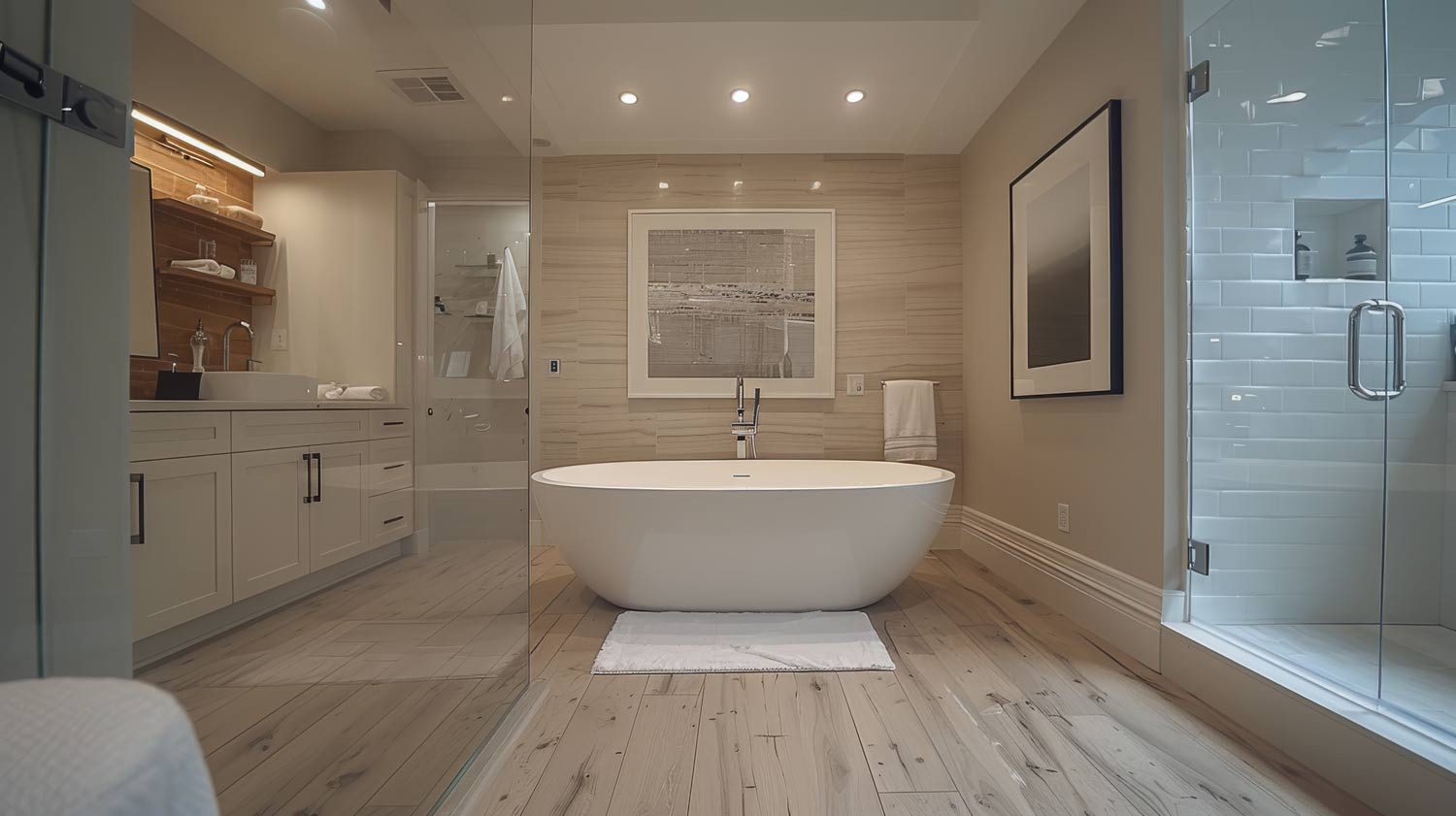
Bathroom renovations rank among the most complex home improvement projects—requiring coordinated work from multiple specialists, substantial financial investment, and careful project management. Get it wrong, and you face water damage, electrical hazards, wasted money on unsuitable products, and months of disruption. Get it right, and you add significant value to your property whilst creating a functional, beautiful space you’ll use multiple times daily for decades.
This comprehensive guide clarifies who actually does what in bathroom projects, explains realistic 2025 costs, and helps you navigate the process from planning to completion without the costly mistakes that plague poorly managed bathroom renovations.
Understanding Bathroom Specialists: The Critical Distinctions
The term “bathroom fitter” encompasses various specialists with different skills. Understanding these distinctions prevents hiring the wrong professional for your specific needs.
Bathroom Fitters: The Generalists
What they do: Bathroom fitters are specialists who focus on installing complete bathroom suites, coordinating the physical installation of units, fixtures, and fittings.
Typical bathroom fitter scope:
- Removing existing bathroom suites
- Installing new baths, showers, toilets, basins
- Fitting bathroom furniture (vanity units, cabinets, mirrors)
- Installing shower enclosures and screens
- Fitting towel rails and accessories
- Physical positioning of all fixtures
- Basic tiling (splashbacks and feature areas)
- Sometimes: floor laying, boxing in pipework
What bathroom fitters typically DON’T do:
- Plumbing connections to mains water/waste (unless also qualified plumbers)
- Electrical work (wiring, lighting circuits, extractor fans—unless Part P certified)
- Complex tiling of entire rooms
- Structural alterations
- Advanced wet room installations with tanking
However: Many experienced bathroom fitters hold multiple qualifications (plumbing, tiling, basic electrical), making them capable of complete bathroom installations. Always clarify their specific qualifications.
Costs 2025:
- Day rate: £150-£250 (average £200)
- Complete bathroom installation (labour only): £1,500-£3,000
- London and Southeast: £200-£350 per day
Plumbers: The Water and Waste Specialists
Essential for:
- Connecting all water supplies (hot and cold feeds)
- Installing and connecting waste pipes
- Fitting and connecting toilets, basins, baths, showers
- Relocating pipework
- Installing pumps for power showers
- Pressure testing systems
- Ensuring compliance with water regulations
Costs 2025:
- Day rate: £250-£500 (average £350)
- Hourly rate: £40-£60
- Complete bathroom plumbing: £500-£1,200
Electricians: The Power and Safety Specialists
Essential for:
- Installing new lighting circuits
- Wiring extractor fans
- Electric shower installations
- Heated towel rail wiring
- Underfloor heating thermostats
- Shaver sockets
- Testing and certification (required by law)
Costs 2025:
- Day rate: £250-£400
- Bathroom electrical work: £300-£800
- Electric shower circuit: £200-£400
Tilers: The Finishing Specialists
Professional tiling includes:
- Wall tiling (full room or feature walls)
- Floor tiling
- Shower enclosure tiling
- Mosaic work
- Cutting around fixtures and fittings
- Waterproofing and tanking (wet rooms)
- Grouting and sealing
Costs 2025:
- Day rate: £150-£350
- Per square metre: £40-£110 (materials extra)
- Small bathroom tiling: £600-£1,500
- Complete bathroom tiling: £1,500-£3,500+
The True Cost of a New Bathroom in 2025
Understanding realistic costs prevents budget disasters and helps you make informed decisions about specifications.
Average Total Costs by Project Type
Basic bathroom replacement (like-for-like, standard fittings):
- Small bathroom (3-4 sqm): £3,000-£5,000
- Medium bathroom (5-7 sqm): £5,000-£7,000
- Large bathroom (8-10 sqm): £7,000-£9,000
Mid-range bathroom renovation (layout changes, quality fittings):
- Small bathroom: £5,000-£8,000
- Medium bathroom: £7,000-£10,000
- Large bathroom: £10,000-£15,000
Premium bathroom transformation (complete redesign, luxury finishes):
- Small bathroom: £10,000-£15,000
- Medium bathroom: £15,000-£20,000
- Large bathroom: £20,000-£30,000+
London and Southeast: Add 30-50% to these figures.
Labour vs Materials Breakdown
Typical split: Labour represents 45-60% of total bathroom costs.
Example medium bathroom (£7,000 total):
- Labour: £3,500-£4,200 (50-60%)
- Materials: £2,800-£3,500 (40-50%)
This split varies based on fixture quality—luxury fittings increase the materials percentage.
Individual Component Costs
Bathroom suites (materials only):
- Budget suite (bath, toilet, basin): £300-£600
- Mid-range suite: £800-£1,500
- Premium suite: £2,000-£5,000+
- Luxury/designer suite: £5,000-£15,000+
Showers:
- Basic electric shower: £100-£300
- Mid-range thermostatic shower: £300-£800
- Premium digital shower: £800-£2,000+
- Luxury rainfall system: £2,000-£5,000+
Shower enclosures:
- Budget enclosure: £200-£400
- Mid-range enclosure: £500-£800
- Premium frameless enclosure: £800-£1,500+
Tiling (per sqm, materials only):
- Budget ceramic tiles: £15-£30
- Mid-range porcelain: £30-£60
- Premium tiles: £60-£100+
- Designer/natural stone: £100-£200+
Labour for installation adds £40-£110 per sqm.
Bathroom furniture:
- Budget vanity unit: £120-£300
- Mid-range vanity: £400-£800
- Premium fitted furniture: £1,000-£3,000+
Flooring (materials + fitting per sqm):
- Vinyl: £20-£40
- Ceramic/porcelain tiles: £40-£80
- Natural stone: £80-£150+
Timeline Expectations
Small bathroom (like-for-like replacement): 3-5 days Medium bathroom (some layout changes): 1-2 weeks Large bathroom (complete renovation): 2-3 weeks Complex wet room conversion: 3-4 weeks
Add time for:
- Unforeseen issues (always factor 20-30% extra time)
- Material delays
- Drying time for plaster, grout, sealant
- Building regulations inspections
The Bathroom Renovation Process: What Actually Happens
Understanding the sequence prevents unrealistic expectations and helps you plan.
Phase 1: Planning and Design (1-3 weeks before work)
Measure accurately: Professional measurement prevents expensive ordering mistakes.
Design layout: Consider:
- Plumbing locations (moving waste pipes is expensive)
- Electrical requirements
- Ventilation (extractor fan positions)
- Storage needs
- Accessibility
Order materials: Lead times vary—premium items can take 4-8 weeks.
Book tradespeople: Quality professionals book weeks in advance.
Phase 2: Strip Out (Day 1-2)
Remove existing bathroom:
- Disconnecting water and waste (carefully—don’t damage pipes)
- Removing fixtures and fittings
- Stripping old tiles
- Removing flooring
- Disposing of waste (skip hire: £150-£400)
Cost: £200-£500 if done professionally, or DIY to save money.
Phase 3: First Fix (Days 2-5)
Structural work:
- Any building alterations
- New studwork for boxing
- Floor repairs or levelling
First fix plumbing:
- Relocating or installing new pipework
- Positioning waste pipes
- Installing shower tray/bath if tiling around it
First fix electrical:
- New circuits if required
- Cable runs to lights, fans, showers
- Connections to consumer unit
Phase 4: Wall and Floor Preparation (Days 4-7)
Plastering:
- Repairing damaged walls
- Skim coating for smooth finish
- Allow 2-3 days minimum drying time
Waterproofing (if required):
- Tanking wet room floors
- Waterproof membranes in shower areas
Phase 5: Tiling (Days 6-10)
Floor tiling first (if not doing wet room):
- Prepare substrate
- Lay tiles with proper adhesive
- Allow setting time
- Grout and seal
Wall tiling:
- Full room tiling or feature areas
- Cut-outs for fixtures
- Allow curing time before grouting
Phase 6: Second Fix (Days 8-12)
Install bathroom suite:
- Bath/shower tray
- Toilet
- Basin/vanity unit
- Shower enclosure
Second fix plumbing:
- Connect all fixtures to supply and waste
- Test for leaks
- Pressure testing
Second fix electrical:
- Install light fittings
- Fit extractor fan
- Connect electric shower
- Test all circuits
- Provide certification
Phase 7: Finishing (Days 12-14)
Final touches:
- Seal all gaps (silicone around bath, basin, etc.)
- Install accessories (towel rails, toilet roll holders, mirrors)
- Clean thoroughly
- Final inspection
Allow curing time: Don’t use shower/bath for 24-48 hours after final sealing.
Common Bathroom Renovation Mistakes (And How to Avoid Them)
Learn from others’ expensive errors.
Mistake 1: Inadequate Ventilation
Problem: Poor ventilation causes mould, mildew, and structural damage.
Solution: Install properly sized extractor fan (minimum 15 litres/second for bathrooms up to 15sqm). Ensure it vents externally, not into loft space.
Cost of getting it wrong: Mould remediation £500-£2,000, health issues, damaged decorations.
Mistake 2: Ignoring Building Regulations
What requires notification:
- New or altered electrical circuits
- Structural alterations
- Installing new drainage
- Some ventilation changes
Problem: Non-compliant work affects property sales and insurance.
Solution: Ensure tradespeople handle notifications or use registered competent person schemes.
Cost of getting it wrong: Cannot sell/remortgage property, £5,000-£15,000 to rectify.
Mistake 3: Cheap, Incompatible Products
Common errors:
- Wrong shower pump for water pressure
- Unsuitable taps for low-pressure systems
- Incompatible waste fittings
- Poor-quality shower enclosures that leak
Solution: Consult professionals before purchasing. Invest in quality for items that affect functionality.
Cost of getting it wrong: £500-£3,000 replacing unsuitable items, plus labour.
Mistake 4: No Contingency Budget
Reality: Almost all bathroom renovations encounter unexpected issues.
Common surprises:
- Rotten floorboards (£300-£800 to replace)
- Damaged joists (£500-£2,000)
- Asbestos in old tiles (£500-£1,500 removal)
- Poor plumbing requiring extensive replacement
- Electrical systems needing upgrades
Solution: Budget 15-20% contingency for unknowns.
Mistake 5: DIY Where You Shouldn’t
Never DIY:
- Plumbing connections (water damage costs thousands)
- Electrical work (illegal without certification, dangerous, invalidates insurance)
- Gas work (illegal, potentially fatal)
- Structural alterations (risk of collapse)
- Complex waterproofing (leaks cause catastrophic damage)
Can DIY if competent:
- Stripping out old bathroom
- Basic tiling (if experienced)
- Painting
- Installing accessories
Cost of DIY disasters: £5,000-£20,000+ to rectify water damage, electrical fires, or structural issues.
Hiring Bathroom Specialists: The Essential Questions
Protect your investment by thoroughly vetting contractors.
Qualification Verification Questions
“What qualifications and certifications do you hold?”
- Plumbers: Check for relevant NVQs, City & Guilds qualifications
- Electricians: Must be Part P registered for bathroom work
- General bathroom fitters: Look for bathroom installation qualifications, trade body membership
“Are you insured, and can I see current certificates?”
- Public Liability Insurance: £2-5 million minimum
- Professional Indemnity: For design-led projects
- Never proceed without verified insurance
“Can you provide recent references and examples of similar bathrooms?”
- Essential: At least 3 verifiable references from past 12 months
- Request: Photos or site visits to completed projects
- Warning: Reluctance to provide references
Scope and Process Questions
“What exactly is included in your quote?”
- Should itemise: Labour, materials (if supplying), specific tasks
- Clarify: What’s NOT included (tiling, electrical, plastering if separate)
- Warning: Vague “complete bathroom” without breakdown
“Who will actually do the work?”
- Clarify: Is it you personally, a team, or subcontractors?
- If subcontractors: What are their qualifications?
- Coordination: Who manages the project and multiple trades?
“What’s your realistic timeline, and what might delay it?”
- Honest answer: Acknowledges potential issues (materials, discoveries, weather affecting deliveries)
- Warning: Promises impossibly quick completion without assessing scope
“How do you handle building regulations compliance?”
- Should know: What requires notification for your project
- Clarify: Who arranges inspections and certification
Financial Protection Questions
“What’s your payment schedule?”
- Acceptable: 10-15% deposit, stage payments for completed work milestones, 10% retention post-completion
- Warning: Large upfront payments (over 25%), full payment before completion, cash-only requests
“What warranty do you provide?”
- Typical: 12 months workmanship, manufacturer warranties on products
- Get in writing: Specific warranty terms
- Clarify: Process for addressing issues
“What happens if we discover unexpected issues?”
- Look for: Clear variation process, written quotes for extras before proceeding
- Warning: “We’ll sort it” without discussing cost implications
Red Flags: When to Walk Away
Certain warning signs indicate problematic contractors. Protect yourself by rejecting anyone who:
Immediate deal-breakers:
- Cannot provide proof of insurance
- Has no verifiable references
- Demands large upfront payments
- Insists on cash-only
- Pressures immediate decisions
- Cannot explain their process clearly
- Offers suspiciously low quotes (40%+ below competitors)
- Claims electrical/plumbing work doesn’t need certification
- Defensive or dismissive when questioned
Final Thoughts: Investing Wisely in Your Bathroom
Your bathroom renovation represents a significant investment—both financially and in terms of disruption to your home. The difference between a successful project and a costly nightmare lies in proper planning, hiring qualified professionals, and maintaining realistic expectations.
Key principles for bathroom renovation success:
- Plan thoroughly before purchasing anything
- Hire properly qualified specialists for each discipline
- Get everything in writing (quotes, timelines, specifications)
- Budget realistically including 15-20% contingency
- Verify insurance and qualifications before work begins
- Don’t skimp on hidden elements (plumbing, electrical, waterproofing)
- Invest in quality for functional items (showers, taps, drainage)
- Maintain clear communication throughout the project
- Accept that disruption and delays happen—factor this into planning
The right bathroom specialists, proper planning, and realistic budgeting transform what could be a stressful ordeal into a smooth process delivering a bathroom that adds value to your property and enhances your daily life for decades.
Looking for bathroom specialists who’ve been thoroughly vetted for qualifications, insurance, and proven experience? Discover how TraderStreet.uk connects homeowners with qualified bathroom fitters, plumbers, electricians, and tilers —ensuring your bathroom renovation is handled by properly certified professionals who deliver quality work on time and on budget.