
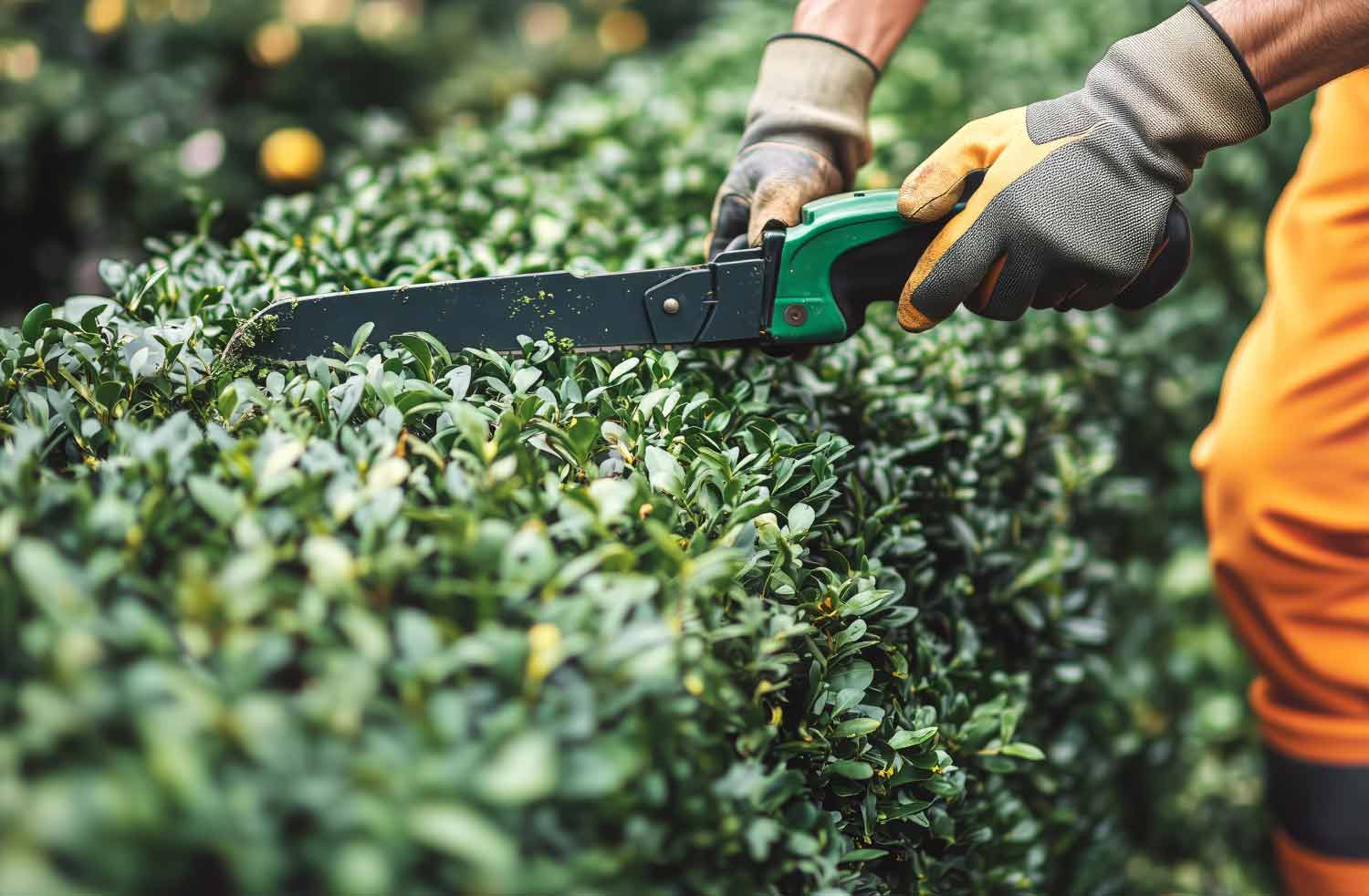
Your garden represents a significant portion of your property’s value—a well-designed outdoor space can add up to 20% to your home’s worth. Yet confusion about who does what in the gardening world leads homeowners to hire the wrong professionals, waste money on inappropriate services, and end up with disappointing results that fail to deliver the transformation they envisioned.
This comprehensive guide clarifies the distinction between gardeners and landscape gardeners, explains what each specialist actually does, breaks down realistic 2025 costs, and helps you determine which professional your project requires—ensuring you invest wisely in your outdoor space.
The Critical Distinction: Gardener vs Landscape Gardener
These terms are often used interchangeably, creating confusion that costs homeowners time and money. Understanding the difference prevents hiring mistakes.
Regular Gardeners: The Maintenance Specialists
What they do: Gardeners focus on ongoing maintenance and keeping existing gardens looking good. Think of them as the equivalent of cleaners for your outdoor space—they maintain what’s already there rather than designing or building new features.
Typical gardener services:
- Lawn mowing and edging
- Hedge trimming and pruning
- Weeding flower beds and borders
- General tidying and leaf clearing
- Planting bedding plants (following existing layout)
- Basic shrub and tree pruning
- Grass cutting services
- Seasonal maintenance (spring cleanup, autumn leaf removal)
- Path and patio cleaning (pressure washing)
- Applying fertilisers and treatments
What gardeners DON’T typically do:
- Design garden layouts from scratch
- Build structural features (patios, decking, walls)
- Conduct major landscaping projects
- Install drainage systems
- Lay foundations or perform groundwork
- Create new lawns from scratch (though they maintain existing ones)
- Design or install complex garden lighting or irrigation
Typical costs 2025:
- Hourly rate: £20-£30 (average £25)
- Day rate: £150-£200
- Regular maintenance visits: £30-£50 per visit (for average garden)
- London and Southeast: Add £5-£10 per hour
When you need a regular gardener:
- Maintaining an established garden throughout the year
- Weekly or fortnightly lawn mowing
- Seasonal tidying and cleanup
- You lack time or physical ability to maintain your garden yourself
- Keeping hedges and borders in good condition
- General upkeep of an existing garden design
Landscape Gardeners: The Design and Build Specialists
What they do: Landscape gardeners are creatives and builders who design, plan, and construct entire gardens or major garden features. They transform outdoor spaces rather than simply maintaining them.
Comprehensive landscape gardening services:
- Design and planning: Creating garden layouts, selecting materials, planning drainage
- Hard landscaping: Building patios, decking, pathways, driveways, retaining walls, garden walls
- Soft landscaping: Planting schemes, creating new lawns (turf or seeding), establishing borders
- Structural features: Installing pergolas, gazebos, garden rooms, outdoor kitchens
- Water features: Designing and installing ponds, fountains, water courses
- Drainage solutions: Installing drainage systems, addressing waterlogged areas
- Fencing and boundaries: Erecting fences, gates, screens
- Outdoor lighting: Installing garden lighting systems
- Irrigation: Setting up watering systems
- Levelling and terracing: Creating useable spaces on slopes
- Groundwork: Excavation, foundations, base preparation
What makes landscape gardeners different:
- Design capability: Can create plans and visualisations
- Construction skills: Build structures, lay surfaces, install features
- Project management: Coordinate multiple trades (electricians for lighting, plumbers for water features)
- Structural knowledge: Understand drainage, foundations, load-bearing requirements
- Material expertise: Know which materials suit different conditions and budgets
Typical costs 2025:
- Hourly rate: £30-£45
- Day rate: £280-£350+ (often work in teams of 2-3)
- Project-based pricing: £1,400+ for small projects, £5,000-£15,000 for medium gardens, £20,000-£50,000+ for complete garden makeovers
- Design services: £300-£2,000+ depending on complexity
- London and Southeast: Add 30-50% to base costs
When you need a landscape gardener:
- Creating a garden from scratch (new build properties)
- Complete garden redesign and renovation
- Installing major features (patios, decking, ponds)
- Addressing structural problems (drainage, slopes, boundaries)
- Creating outdoor living spaces
- Transforming unusable or problematic gardens
- Adding value to your property through significant improvements
What Landscape Gardeners Actually Do: Project Breakdown
Understanding the scope of landscape gardening work helps you assess quotes and manage expectations.
Hard Landscaping: The Structural Elements
Patios and paving: A landscape gardener doesn’t just lay slabs on soil. Professional patio installation involves:
- Excavation: Removing topsoil and subsoil to required depth (typically 150-200mm)
- Sub-base: Installing and compacting hardcore/MOT Type 1 for drainage and stability
- Edge restraints: Installing edge courses or haunching to prevent movement
- Bedding layer: Laying mortar or sharp sand bed
- Paving installation: Laying slabs/pavers with appropriate joints and falls for drainage
- Jointing: Pointing or dry grouting to finish
Typical costs 2025:
- Budget concrete slabs: £40-£60 per sqm (materials and installation)
- Mid-range natural stone: £80-£120 per sqm
- Premium materials (porcelain, high-end stone): £120-£200+ per sqm
For a 20 sqm patio: £1,600-£4,000 depending on materials.
Decking: Quality decking requires expertise in:
- Foundation design (posts, joists, bearers)
- Timber selection and treatment
- Creating proper drainage and airflow
- Building to building regulations (if attached to property)
- Safety features (handrails, balustrades)
Typical costs 2025:
- Softwood decking: £80-£120 per sqm
- Hardwood decking: £120-£180 per sqm
- Composite decking: £150-£250+ per sqm
For a 25 sqm deck: £2,000-£6,250 depending on materials and complexity.
Garden walls and retaining walls: Building walls requires understanding of:
- Foundation requirements
- Drainage behind retaining walls
- Material selection (brick, stone, concrete blocks, sleepers)
- Height limitations and building regulations
- Structural stability and engineering (especially for retaining walls over 1m)
Typical costs 2025:
- Low decorative walls (up to 600mm): £100-£150 per linear metre
- Brick garden walls (1-1.2m): £200-£300 per linear metre
- Retaining walls with proper drainage: £250-£400+ per linear metre
- Structural retaining walls (over 1.2m, may need engineer): £400-£800+ per linear metre
Fencing: Professional fencing installation includes:
- Setting posts in concrete
- Ensuring proper height and alignment
- Installing gravel boards to protect timber
- Gates and access points
- Treatment and finishing
Typical costs 2025:
- Closeboard fencing (standard): £80-£120 per linear metre
- Featheredge fencing: £70-£100 per linear metre
- Acoustic fencing: £120-£200 per linear metre
- Decorative fencing/trellis: £60-£150+ per linear metre
Soft Landscaping: The Living Elements
Creating new lawns: Landscape gardeners establish lawns through either:
Turfing:
- Soil preparation and grading
- Topsoil amendment if needed
- Base levelling and firming
- Turf laying with proper joints
- Rolling and initial watering
Costs 2025: £10-£30 per sqm including labour and materials.
Seeding:
- More economical but slower to establish
- Requires protection and longer maintenance period
- Better for difficult shapes or large areas
Costs 2025: £5-£15 per sqm including labour and materials.
For a 50 sqm lawn:
- Turf: £500-£1,500
- Seed: £250-£750
Planting schemes: Professional landscape gardeners create planting schemes considering:
- Year-round interest and seasonal colour
- Soil conditions and aspect (sun/shade)
- Maintenance requirements
- Growth rates and mature sizes
- Colour combinations and textures
- Wildlife value
- Practical access and sightlines
Plant costs vary dramatically:
- Bedding plants: £2-£5 each
- Small shrubs: £10-£30 each
- Mature shrubs: £30-£150+ each
- Trees: £50-£500+ depending on size and species
- Specimen plants: £100-£1,000+ each
Labour for planting: £30-£45 per hour, plus materials.
Garden bed preparation:
- Removing turf and weeds
- Soil improvement (compost, conditioners)
- Edging installation
- Mulching (bark, gravel, slate)
Costs: £15-£40 per sqm for complete bed preparation and planting.
Dealing with Problem Gardens
Sloped gardens and terracing: Landscape gardeners transform unusable slopes into functional spaces through:
- Terracing with retaining walls
- Creating level areas at different heights
- Installing steps between levels
- Drainage management on slopes
Costs 2025: Highly variable—£5,000-£25,000+ depending on degree of slope, area size, and number of terraces required. Complex projects requiring structural engineers add £1,500-£3,000 for design and certification.
Drainage issues: Professional drainage solutions include:
- French drains (gravel-filled trenches)
- Land drains (perforated pipes)
- Soakaways
- Channel drains
- Regrading to improve surface water runoff
Costs 2025:
- Basic French drain: £40-£80 per linear metre
- Land drain system: £60-£120 per linear metre
- Soakaway installation: £500-£1,500
- Complete drainage system for average garden: £1,500-£5,000
Waterlogged or boggy gardens: Solutions include:
- Improving drainage
- Raising bed levels
- Creating bog gardens (working with the conditions)
- Installing permeable surfaces
Costs depend on chosen solution: £2,000-£10,000 for comprehensive treatment.
Water Features and Ponds
Garden ponds: Professional pond installation involves:
- Excavation and shaping
- Liner installation (butyl rubber or fibreglass)
- Edge finishing (natural stone, timber)
- Planting shelves
- Filtration system (for fish)
- Pump and electrical connections
Costs 2025:
- Small preformed pond (2-3 sqm): £500-£1,200
- Medium lined pond (5-8 sqm): £1,500-£4,000
- Large feature pond (10+ sqm): £4,000-£15,000+
- Koi ponds with filtration: £8,000-£30,000+
Fountains and water features: Range from simple self-contained units (£300-£800 installed) to elaborate custom features (£2,000-£10,000+).
Regional Cost Variations: Where You Live Matters
Location dramatically affects landscaping costs:
London and Southeast:
- Expect 30-50% premium on labour costs
- Materials slightly higher due to delivery charges
- Day rates: £350-£500+
- Higher demand means longer wait times for quality contractors
Major cities (Manchester, Birmingham, Bristol, Edinburgh):
- 15-25% premium over rural areas
- Day rates: £280-£400
- Good availability of landscape gardeners
Northern England, Wales, Scotland (excluding major cities):
- Base rates: £200-£280 per day
- Materials costs similar to elsewhere
- Often easier to book quality tradespeople
Rural and remote areas:
- Labour costs can be 10-20% lower
- However, travel charges may apply for specialists
- Limited choice of landscape gardeners
- Material delivery may incur surcharges
Understanding Landscape Gardening Quotes
Professional quotes should include detailed breakdowns. Understanding what you’re paying for prevents disputes and budget overruns.
What a Proper Quote Includes
Materials:
- Specific products and quantities (e.g., “40 sqm Indian sandstone paving, 25mm thickness”)
- Sub-base materials (Type 1 MOT, sharp sand, cement)
- Edging materials
- Plants with botanical names and pot sizes
- Delivery charges
Labour:
- Number of workers and days
- Specific tasks itemised
- Site clearance and preparation
- Waste removal
- Making good afterwards
Exclusions:
- What’s NOT included (fencing, electrical work, tree removal, etc.)
- Permissions or building control fees
- Services that need separate specialists (electricians, tree surgeons)
Timeline:
- Estimated start date
- Duration of work
- Weather contingency allowances
- Completion date
Payment terms:
- Deposit (typically 10-20%)
- Stage payments tied to work completion
- Final payment retention period
- Payment methods accepted
Red Flags in Landscape Gardening Quotes
Warning signs that demand caution:
- Vague descriptions like “supply and fit patio” without specifying materials, sizes, or methods
- Significantly lower than competing quotes (30%+ cheaper) without clear explanation
- Large upfront deposits (over 25%)
- Cash-only payments
- No written contract or terms
- Pressure to sign immediately
- Cannot provide examples of similar work
- No insurance documentation
- Poor communication or unprofessional behaviour
- Unwillingness to answer questions about methods or materials
Hiring the Right Landscape Gardener: Essential Questions
Protect your investment by thoroughly vetting potential contractors.
Qualification and Experience Questions
“What qualifications and professional memberships do you hold?”
- Look for: RHS qualifications, NVQ Level 2 or 3 in Horticulture, membership of Association of Professional Landscapers (APL)
- Reality check: Many excellent landscape gardeners learned through apprenticeships rather than formal qualifications—experience and portfolio often matter more than certificates
“How long have you been landscape gardening, and can I see examples of similar projects?”
- Expect: 5+ years experience for major projects
- Request: Photos or site visits to completed projects similar to yours
- Warning: Reluctance to show previous work or only showing one type of project
“Are you experienced with [specific feature: retaining walls/drainage/water features]?”
- Assess: Whether they’ve handled your project’s particular challenges
- Specialists: Some landscape gardeners focus on specific areas—ensure they match your needs
Insurance and Legal Questions
“What insurance do you carry?”
- Essential: Public Liability Insurance (minimum £2 million, preferably £5 million)
- Also important: Employers’ Liability (if they employ others)
- Request: Current insurance certificates before work starts
“Do you handle building regulations approval if required?”
- Relevant for: Patios/decking attached to buildings, retaining walls over certain heights, extensive drainage work
- Should know: Whether your project requires approval and who arranges it
- Warning: Claims “you don’t need approval” for work that clearly does
“How do you handle waste disposal?”
- Clarify: Whether waste removal is included in quote
- Check: They hold waste carrier’s licence if removing waste themselves
- Costs: Skip hire typically £150-£400 depending on size
Project Management Questions
“Will you be doing the work yourself or using subcontractors?”
- Either acceptable but you need to know who’ll be in your garden
- If subcontractors: Ask about their experience and qualifications
- Coordination: Who manages electricians/plumbers for features requiring them?
“What’s your realistic timeline, and what might delay it?”
- Honest answer: Acknowledges weather dependence, realistic about duration
- Warning: Promises impossibly quick completion
- Understand: British weather WILL cause delays—factor this in
“How do you handle variations or unexpected issues?”
- Look for: Clear change order process, written quotes for extras before proceeding
- Warning: Vague “we’ll sort it” without discussing costs
“What guarantees or warranties do you provide?”
- Typical: 12 months workmanship guarantee, manufacturer warranties for materials
- Get in writing: Specific warranty terms
- Clarify: What’s covered, what isn’t, process for addressing problems
Financial Questions
“Can you provide a detailed written quote?”
- Essential: Itemised breakdown of all costs
- Include: Materials specifications, labour hours, timelines
- Warning: Only verbal quotes or single-figure estimates
“What’s your payment schedule?”
- Acceptable: Small deposit (10-20%), stage payments for work completed, retention after completion
- Warning: Large upfront payments (over 25%), payment before work stages complete, cash-only demands
“Are there likely to be additional costs I should budget for?”
- Professional answer: Identifies potential extras (hidden services, poor ground conditions, access difficulties)
- Shows experience: Has encountered these issues before and knows how to handle them
The Seasonal Approach: When to Landscape
Timing your project affects both quality and cost.
Best Times for Different Projects
Spring (March-May): Good for: Planting, turfing, soft landscaping Avoid: May face availability issues (peak season for landscape gardeners) Weather: Can be unpredictable; rain delays possible Costs: Standard rates
Summer (June-August): Good for: Hard landscaping (patios, decking, walls)—best weather for groundwork Not ideal for: Establishing new lawns (needs constant watering) Availability: Peak season—book early Costs: Sometimes slightly premium during peak demand Bonus: Longer daylight hours mean more productive days
Autumn (September-November): Excellent for: Planting, turfing (best time—mild and moist for establishment) Good for: Hard landscaping (still decent weather early autumn) Availability: Slightly easier to book than spring/summer Costs: Standard or slightly reduced Benefit: Planting now means established gardens by next spring
Winter (December-February): Limited for: Very hard for groundwork if ground frozen Good for: Planning, design, tree work (deciduous trees dormant) Availability: Easiest to book; landscape gardeners often quieter Costs: May negotiate discounts (10-20%) to secure winter work Consider: Project delays likely due to weather
Project Duration Expectations
Small projects (single feature):
- Patio or decking (20-30 sqm): 3-5 days
- Raised beds and planting: 2-3 days
- Fencing (20m): 2-3 days
- Small lawn installation: 2-4 days
Medium projects (multiple features):
- Complete garden redesign (small to medium garden): 2-4 weeks
- Patio, borders, lawn, and planting: 2-3 weeks
- Garden room with paving and landscaping: 3-4 weeks
Large projects (extensive work):
- Complete garden transformation: 6-12 weeks
- Sloped garden with terracing: 8-16 weeks
- Garden with multiple water features, structures, and complex planting: 3-6 months
Add time for:
- Design and planning: 2-6 weeks before work starts
- Materials ordering and delivery: 1-2 weeks
- Weather delays: Always add 10-20% contingency
- Building regulations approval: 4-8 weeks if required
Final Thoughts: Investing in Your Outdoor Space
Your garden is an extension of your home and a significant asset. The difference between hiring the right landscape gardener and making a costly mistake isn’t just measured in immediate costs—it’s evident for years in how well your garden functions, how it weathers, and how much value it adds to your life and property.
Key principles for success:
- Understand what you need: Maintenance (gardener) vs transformation (landscape gardener)
- Plan comprehensively: Design before building prevents expensive changes mid-project
- Get multiple quotes: Three detailed quotes from different landscape gardeners
- Check credentials: Insurance, experience, portfolio, references
- Budget realistically: Quality landscaping isn’t cheap; factor in 10-15% contingency
- Contract properly: Everything in writing, stage payments, clear scope
- Think long-term: Choose materials and plants for longevity, not just initial cost
- Consider maintenance: Can you maintain what’s being created?
The right landscape gardener transforms unusable or neglected outdoor spaces into valuable extensions of your home. The wrong choice creates expensive problems that diminish rather than enhance your property. Choose carefully, contract properly, and your garden investment will reward you for decades.
Looking for landscape gardeners who’ve been thoroughly vetted for qualifications, insurance, and proven track record? Discover how TraderStreet.uk connects homeowners with experienced landscape professionals who’ve passed comprehensive checks—ensuring your garden transformation is handled by qualified specialists who deliver quality work, understand structural requirements, and complete projects on time and on budget.